Red Bull Drink Health Risks

Red Bull Drink Health Risks
What is Red Bull?
Red Bull is a popular energy drink that was first introduced to the world in 1987. The beverage is produced and sold by the Austrian-based company Red Bull GmbH. Red Bull contains a combination of caffeine, taurine, B-group vitamins, and sugar. It is available in a range of flavors and is sold in many countries around the world. It is most often consumed as a drink but can also be found in other forms such as gels and powders.
Red Bull Health Risks
Red Bull is a highly-caffeinated energy drink that has been linked to a number of potential health risks. While the drink does not contain any alcohol, it does contain high levels of caffeine which can cause serious side effects. High levels of caffeine can cause headaches, dizziness, and increased heart rate. It can also lead to insomnia, anxiety, and even heart palpitations. Additionally, research has found that long-term consumption of high levels of caffeine can lead to an increased risk of heart disease and stroke.
Effects of Red Bull on Children
Given the potential health risks associated with consuming Red Bull, it is important to note that the drink is not suitable for children. Children are particularly vulnerable to the effects of caffeine, as their bodies are not yet fully developed. Consuming high levels of caffeine can affect a child’s cardiovascular system, resulting in an increase in heart rate and blood pressure. Additionally, caffeine can lead to difficulty sleeping, restlessness, and irritability. As such, it is important to limit the consumption of Red Bull or other energy drinks in children.
Effects of Red Bull on Pregnant Women
It is important to note that pregnant women should also avoid consuming Red Bull. Caffeine can cross the placenta, resulting in the baby being exposed to the substance. Studies have found that prenatal exposure to caffeine can lead to an increased risk of miscarriage, low birth weight, and premature birth. As such, it is important for pregnant women to avoid consuming Red Bull, as well as other caffeinated beverages.
Alternatives to Red Bull
Those looking to avoid the potential health risks associated with consuming Red Bull can opt for alternative energy drinks. There are many energy drinks that are lower in caffeine, and some that contain no caffeine at all. Additionally, there are many natural sources of energy, such as fruits, vegetables, and nuts, that can provide the energy needed to get through the day without the need for consuming energy drinks.
Conclusion
While Red Bull can provide a boost of energy, there are potential health risks associated with consuming the beverage. High levels of caffeine can lead to a range of side effects, and can be especially dangerous for children and pregnant women. As such, it is important to limit the consumption of Red Bull and opt for lower-caffeinated alternatives where possible. Additionally, there are many natural sources of energy that can provide the energy needed to get through the day.
Red Bull gives you... a whole host of health issues | Daily Mail Online
Is Red Bull bad for your heart: Infographic reveals all | Daily Star
Hidden Dangerous side effects of Red BUll ( Energy Drinks ) - YouTube

Red Bull Energy Drink | Original Flavor, 8.4 oz Can, 24/Carton

Pin on Red adrenaline

Top 10 Untold Truths Red Bull | Red bull, Drinks, Energy drinks

Red Bull Diabetes Can Drink - DiabetesWalls
What Energy Drinks like Red Bull NEVER Tell you Healthcare Malaysia
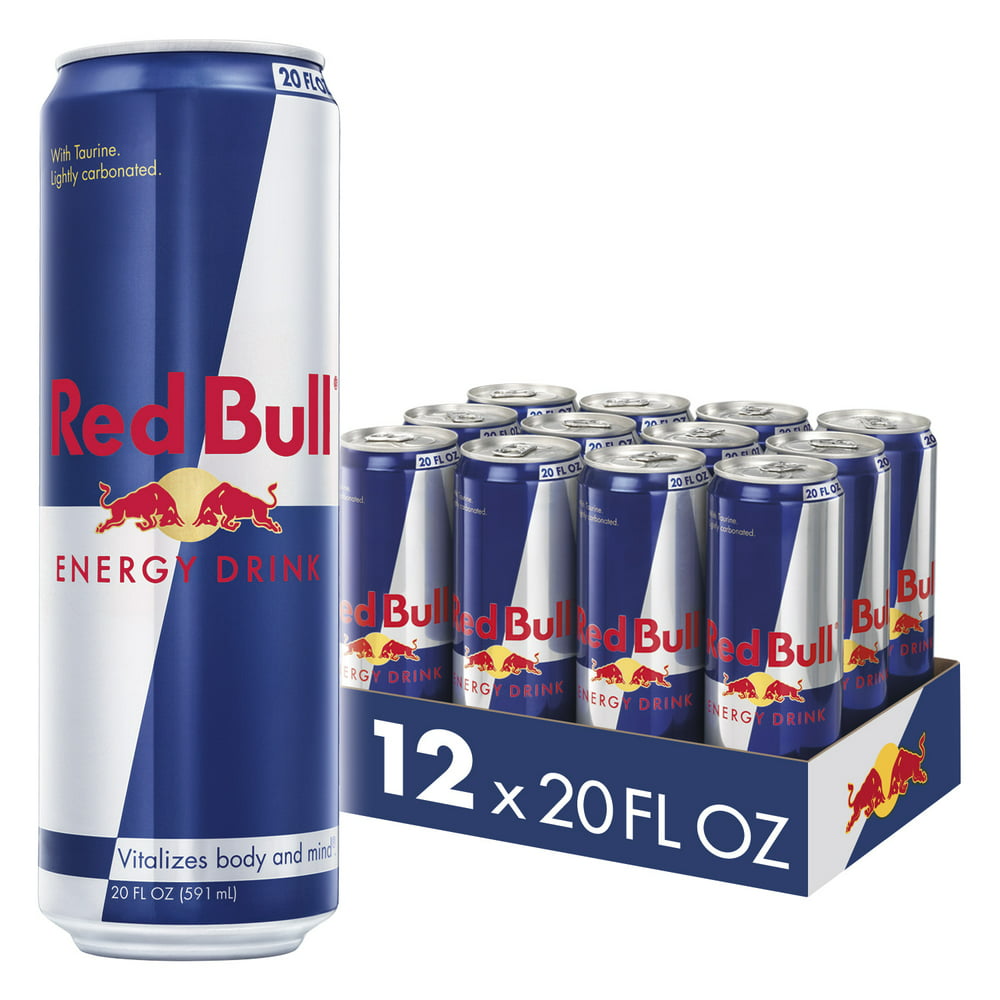
(12 Cans) Red Bull Energy Drink, 20 Fl Oz - Walmart.com - Walmart.com
Is Red Bull Bad For You? Health Risks Or Dangers - Maine News Online