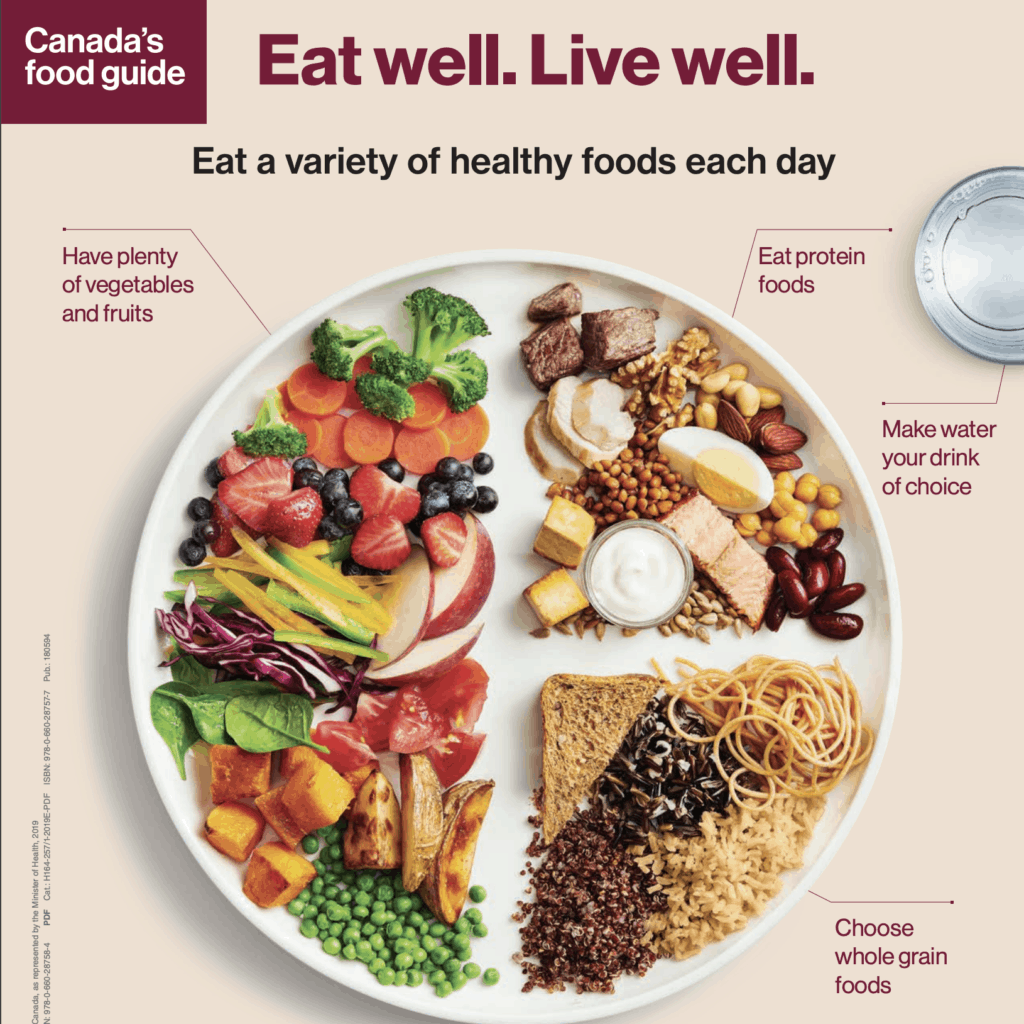
What Are The Healthy Eating Guidelines

What Are The Healthy Eating Guidelines?
The Basics of Healthy Eating
Healthy eating is an important part of maintaining a healthy lifestyle. Eating a balanced diet, including the right amount of fruits and vegetables, is essential for a healthy lifestyle. Eating a balanced diet can help to maintain a healthy weight, reduce the risk of heart disease and stroke, and reduce the risk of developing certain types of cancer. Eating a balanced diet can also help to boost your energy levels and improve your overall health. Eating a balanced diet is important for everyone, regardless of age or gender.
In order to achieve a healthy lifestyle, it is important to follow the recommended healthy eating guidelines. These guidelines are designed to provide people with the information they need to make informed decisions about their diets. The guidelines provide recommendations for the types of food that should be included in a balanced diet, as well as information about portion sizes and the importance of physical activity.
The Five Food Groups
The healthy eating guidelines recommend that people consume foods from all five food groups. The five food groups are fruits, vegetables, grains, proteins, and dairy. Each food group plays a different role in maintaining a healthy diet and should be consumed in the right amounts. Fruits and vegetables are important for providing vitamins and minerals, while grains provide carbohydrates for energy. Proteins are important for building and repairing body tissues, and dairy provides calcium for bone health.
When it comes to eating a balanced diet, it is important to include all five food groups in the right amounts. Fruits and vegetables should make up the largest portion of your diet, followed by grains, proteins, and dairy. All five food groups are essential for a healthy diet, and it is important to make sure that you are getting enough of each group.
Limiting Unhealthy Foods
In addition to eating the right amount of the five food groups, it is also important to limit unhealthy foods. Unhealthy foods are typically high in calories, fat, and sugar, and can have a negative impact on your health if consumed in large amounts. Foods such as fried foods, processed meats, and sugary snacks should be limited as much as possible. Instead of these unhealthy foods, it is recommended to choose healthier options such as fruits, vegetables, whole grains, and lean proteins.
Importance of Physical Activity
In addition to eating a balanced diet, it is important to be physically active. Physical activity helps to keep your body healthy and fit, and can help to reduce the risk of developing certain diseases. The recommended physical activity guidelines suggest that adults get at least 150 minutes of moderate-intensity physical activity each week. This can include activities such as walking, jogging, swimming, and cycling.
Conclusion
Eating a balanced diet and being physically active are important for maintaining a healthy lifestyle. Following the healthy eating guidelines can help to ensure that you are consuming the right amounts of each food group and limiting unhealthy foods. Being physically active can help to reduce the risk of developing certain diseases and can also help to boost your energy levels. Eating a balanced diet and being physically active are essential for a healthy lifestyle.
Picture Perfect Nutrition in 5 Minutes: Food Plates to Use
Eating Better - Blog

The evolution of healthy eating advice: our new Dietary Guidelines

Looking for tips on how to make MyPlate work for your kids? Consider

Practical Biology: science for everyone: The Best Dietary Guidelines
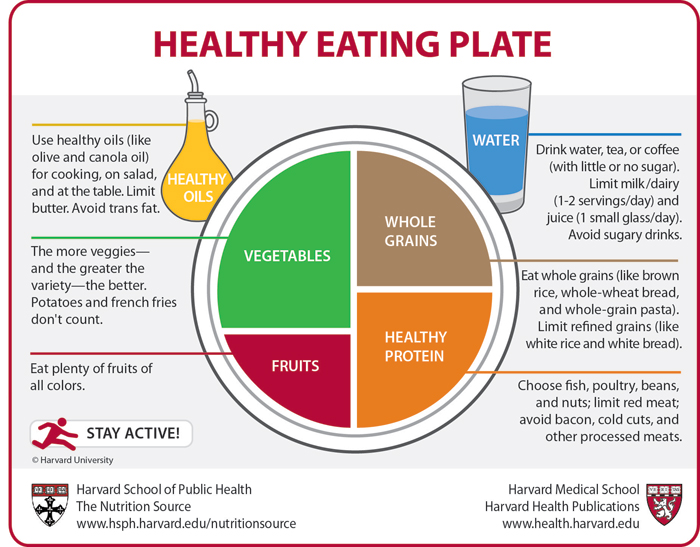
Healthy Eating Guidelines | Healthy eating guidelines, Nutrition

New Healthy Eating Guidelines & Food Pyramid - Diabetes Ireland
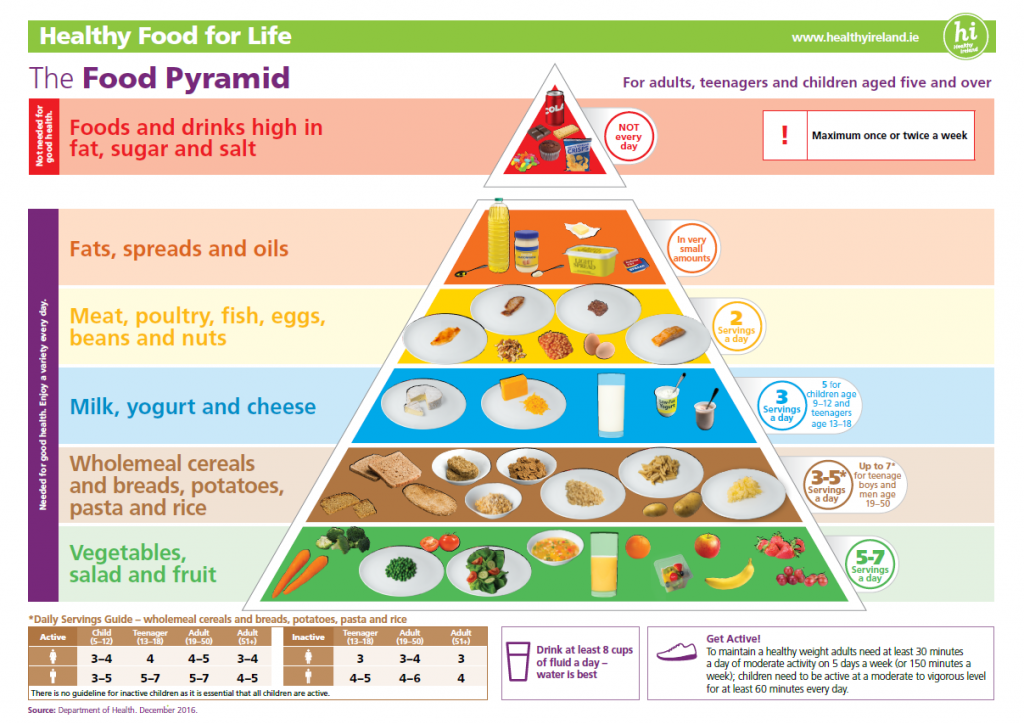
Healthy Eating Guidelines - Blog Series - Eatwell Guide

Healthy Eating Guidelines & Weight Loss Advice For The UK – Public

What’s new in the Canadian nutrition guidelines? - Carolina Sports Clinic