Best Forms Of Lean Protein
Sunday, November 15, 2026
Edit
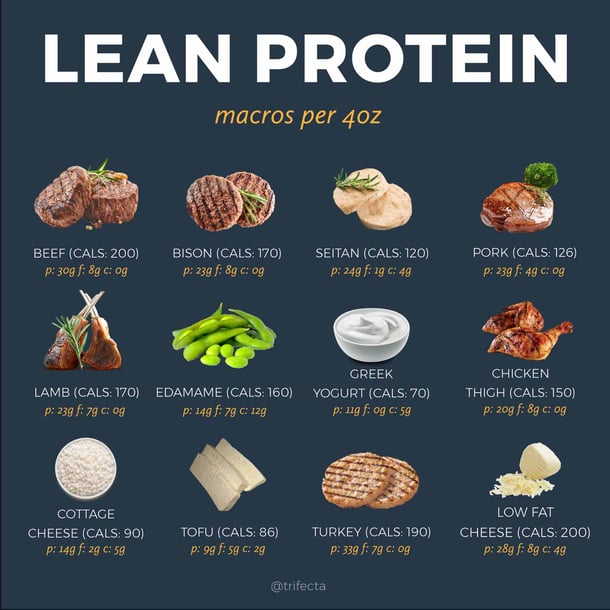
Best Forms Of Lean Protein
What Is Lean Protein?
Protein is one of the three macronutrients, along with carbohydrates and fats, that provide energy to the body. It helps the body to build and repair tissues, and is also an important component of hormones, enzymes, and other chemicals. Lean proteins are proteins that have relatively low levels of saturated fat, which is the type of fat associated with heart disease and other chronic health conditions. These lean proteins are an excellent and healthy source of nutrition, and are an important component of a balanced diet.
What Are The Best Sources Of Lean Protein?
The best sources of lean protein are lean cuts of meat, such as chicken and turkey, as well as fish, eggs, legumes, and dairy products. Lean meats, such as chicken and turkey, are low in fat and provide a great source of protein. Fish, such as salmon and tuna, are also a great source of lean protein. Their omega-3 fatty acids are important for heart health and brain function. Eggs are also a great source of lean protein, and are an excellent source of vitamins and minerals. Legumes, such as beans, peas, and lentils, are also an excellent source of lean protein, and are a great source of dietary fiber. Dairy products provide a great source of lean protein, as well as calcium and other essential vitamins and minerals.
Benefits Of Eating Lean Protein
Eating lean protein has many benefits. It can help to reduce the risk of heart disease and other chronic health conditions. It can also help to boost the immune system and improve muscle mass. Eating lean protein can also help to maintain a healthy weight, as it is low in fat and calories. Eating lean protein can also help to increase energy levels and improve overall health.
How Much Lean Protein Should I Eat?
The amount of lean protein that you should eat depends on your age, weight, and activity level. Generally, adults should consume about 0.8-1 gram of protein per kilogram of body weight per day. For example, a person who weighs 70 kilograms should consume about 56-70 grams of protein per day. It is important to note that your individual needs may vary, so it is best to consult a healthcare professional to determine the best amount of protein for you.
Tips For Increasing Your Intake Of Lean Protein
There are many ways to increase your intake of lean protein. You can add lean meats, such as chicken and turkey, to your meals. You can also add fish, such as salmon and tuna, to your diet. Eating eggs, legumes, and dairy products are also great ways to increase your intake of lean protein. You can also add protein powder to smoothies and other drinks to increase your protein intake.
Conclusion
Lean protein is an important component of a balanced diet. It can help to reduce the risk of heart disease and other chronic health conditions, and can also help to boost the immune system and improve muscle mass. Eating lean protein can also help to maintain a healthy weight and increase energy levels. The best sources of lean protein include lean meats, such as chicken and turkey, as well as fish, eggs, legumes, and dairy products. It is important to consume enough lean protein to meet your individual needs, and there are many ways to increase your intake of lean protein.
Best Lean Protein
Pin page

This Is the Best Lean Protein for You, According to a Dietitian | Diet

Pin on Nutrition Tips

Leanest Protein Foods | Lean protein, Lean protein meals, Protein foods

When you think of lean protein, there’s a pretty good chance chicken is

Top 5 Lean Protein food - YouTube

7 Great Sources of Lean Protein for COPD---TTLIFE Oxygen Concentrator

Pin on MSBT Infographics

16 Kinds of Lean Protein that Can Help You Lose Weight | Women's Health
