Is Caffeine Bad For Mental Health
Is Caffeine Bad For Mental Health?
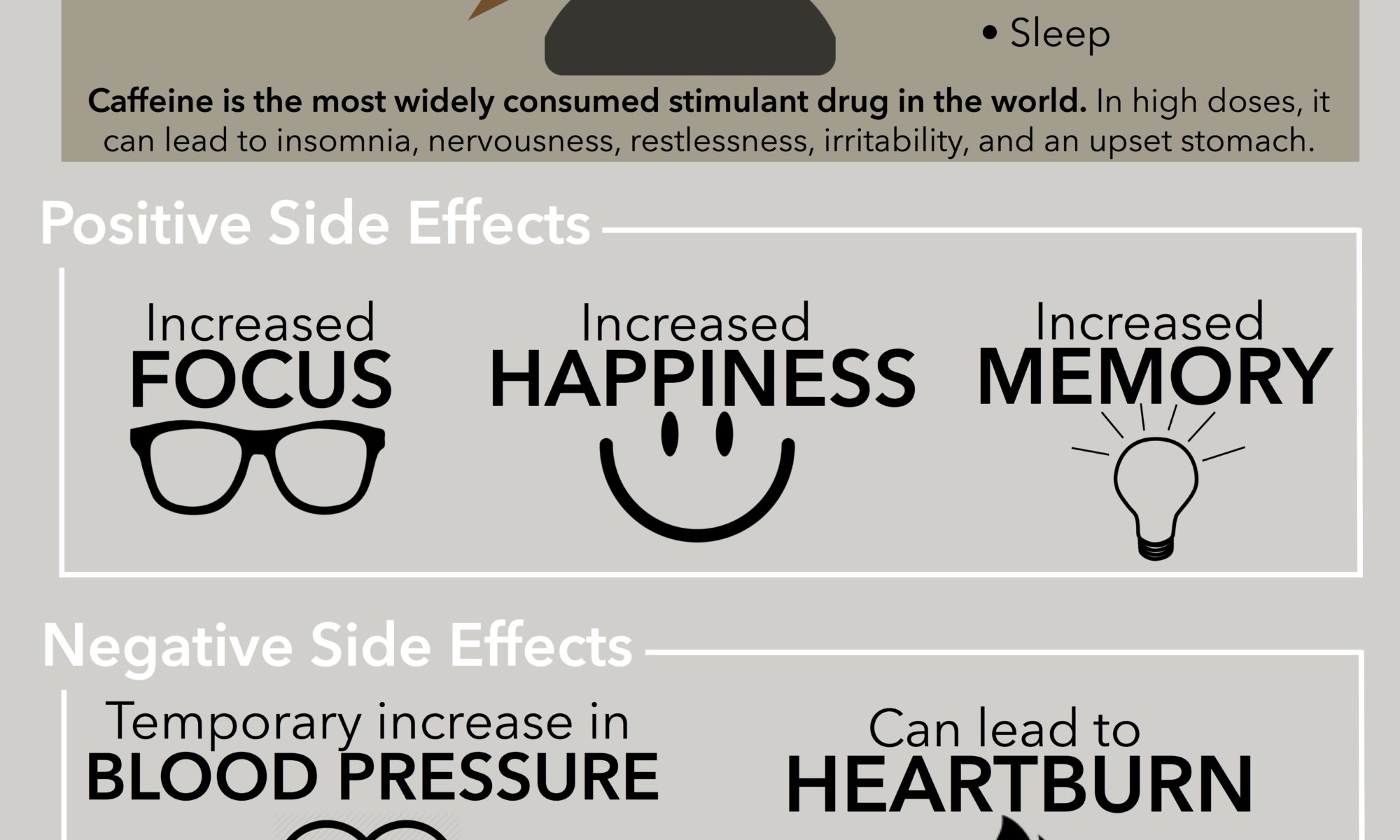
Caffeine is one of the most widely used stimulants in the world. It’s found in coffee, tea, chocolate, energy drinks, and many other foods and beverages. While it can provide a short-term energy boost and alertness, the long-term effects of caffeine on mental health are largely unknown.
What Does Caffeine Do to Your Brain?
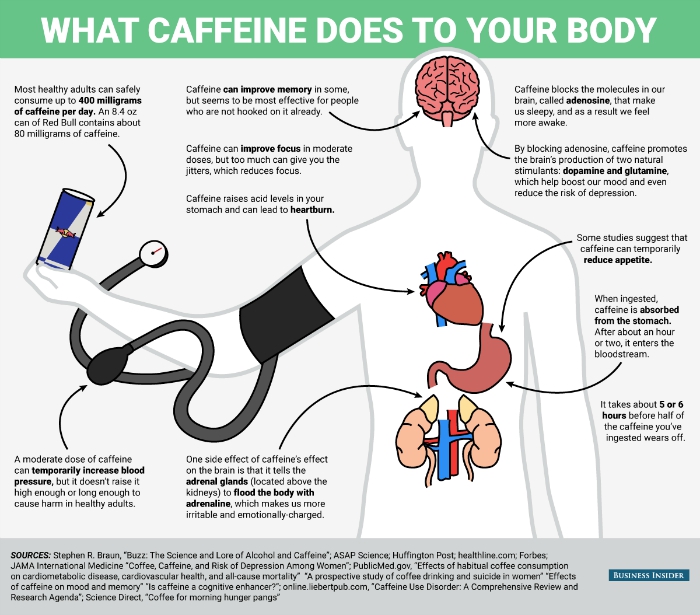
When you consume caffeine, it enters your bloodstream and travels to your brain. Once there, it blocks the action of a chemical called adenosine. This chemical is responsible for making you sleepy, and when it’s blocked, it allows you to stay alert. Caffeine also increases the production of other neurotransmitters, such as dopamine and norepinephrine, which can make you feel more awake and alert.
Does Caffeine Affect Mental Health?
It’s unclear whether caffeine has any direct effects on mental health. Some research suggests that caffeine consumption may be associated with improved cognitive performance, while other studies suggest that it may worsen anxiety and mood disorders. And while some people may be able to consume caffeine in moderation without any adverse effects, others may be more sensitive and may experience negative side effects.
Can Caffeine Cause Anxiety?
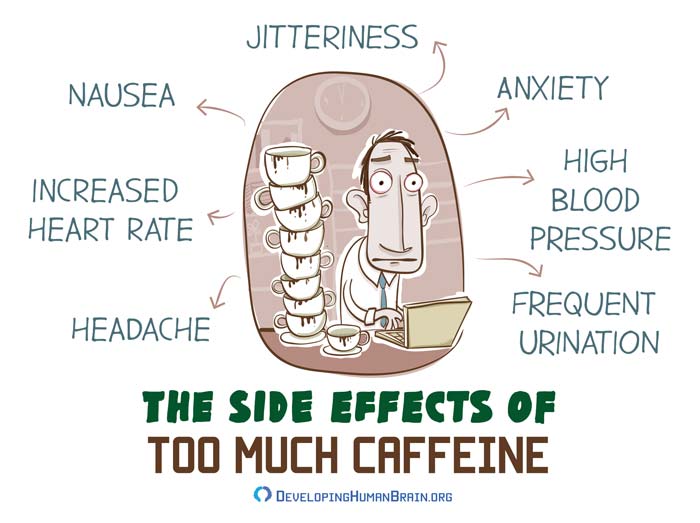
Caffeine can have both positive and negative effects on anxiety. In moderation, it can improve alertness and concentration, which can be helpful in managing anxiety. However, too much caffeine can increase anxiety levels, especially if consumed on an empty stomach. It can also cause physical symptoms such as an increased heart rate, trembling, and sweating, which can make anxiety symptoms worse.
Can Caffeine Cause Depression?
Research suggests that caffeine may have an effect on depression. Some studies have found that people who drink more than four cups of coffee per day are at an increased risk of developing depression. However, other studies have found no link between caffeine consumption and depression. It’s important to note that most of these studies are observational, so further research is needed to determine the effects of caffeine on depression.
How Much Caffeine is Too Much?
Most experts agree that up to 400 milligrams (mg) of caffeine per day is safe for healthy adults. That’s the equivalent of four cups of coffee. It’s important to note that some people may be more sensitive to caffeine than others. And if you’re pregnant, it’s best to limit your caffeine intake to 200 mg per day or less.
Conclusion
Caffeine is a widely used stimulant that can provide a short-term energy boost and alertness. However, the long-term effects of caffeine on mental health are not well understood. Some studies suggest that it may be associated with improved cognitive performance, while others suggest that it may worsen anxiety and mood disorders. It’s important to note that everyone’s sensitivity to caffeine is different, so it’s best to limit your daily intake to 400 mg or less.
Caffeine’s effects on the brain – TommieMedia
How To Counteract Caffeine Anxiety
Caffeine Withdrawal Symptoms 101: The Facts About Your Daily Cup Of

Surprising Effects of Caffeine on the Brain and Nervous System

How Caffeine Causes Anxiety? (+ 3 Anti-Anxiety Drinks)

9 Negative Side Effects of Drinking Coffee: It's Not Healthy For

infographics: Health Effects of Caffeine

All The Ways Caffeine Affects Your Body in One Handy Infographic
Is Caffeine Good or Bad for Mental Health? : Hope Mental Health

7 negative effects of coffee and the healthy drink you should replace
