Ketogenic Diets And Mental Health
Saturday, August 1, 2026
Edit

Ketogenic Diets and Mental Health: Exploring the Link
The ketogenic diet has become a popular form of nutrition for those looking to lose weight and improve overall health. This high fat, low carbohydrate diet has recently been found to have an impact on mental health as well. Studies have shown that ketogenic diets can improve symptoms of depression, anxiety, and bipolar disorder. So what is the link between keto and mental health, and how can you benefit from this diet? Read on to learn more.
What is a Ketogenic Diet?
A ketogenic diet is a high fat, low carbohydrate diet that has been used to treat certain medical conditions, such as epilepsy. The goal of the diet is to put the body into a state of “ketosis”, which is when the body begins to burn fat instead of carbohydrates. To achieve this state, you must limit your intake of carbohydrates to less than 50 grams per day. This can be achieved by eating foods such as meat, fish, eggs, nuts and vegetables.
How Can a Ketogenic Diet Affect Mental Health?
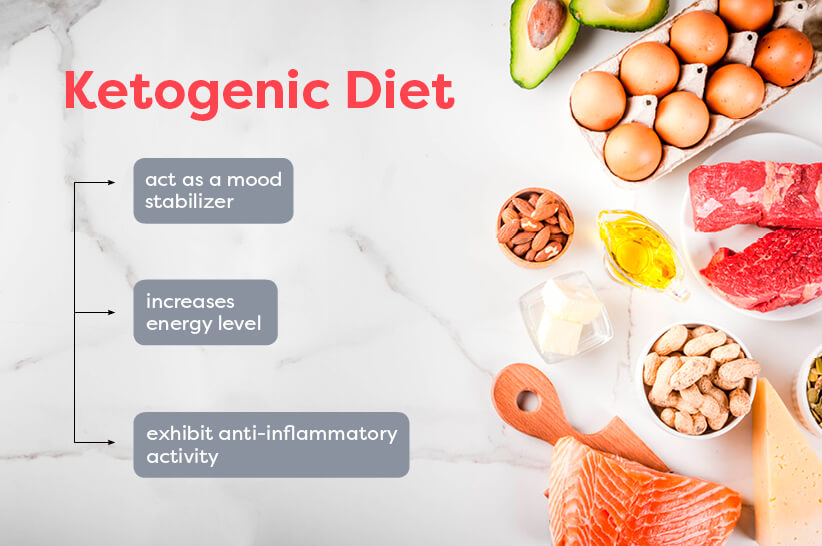
Studies have found that a ketogenic diet can help to improve symptoms of depression, anxiety and bipolar disorder. This is due to the fact that ketones, which are produced when the body is in ketosis, can help to reduce inflammation in the brain and improve neurotransmitter levels. In addition, the high fat and low carbohydrate nature of the ketogenic diet can help to stabilize blood sugar levels, which can also have a positive effect on mental health.
What Are the Benefits of a Ketogenic Diet?
In addition to its potential benefits for mental health, the ketogenic diet has many other benefits. First, it can help to reduce weight and improve overall health. It can also reduce the risk of certain diseases, such as diabetes and heart disease. Furthermore, the ketogenic diet can help to improve energy levels, cognitive function and even reduce the risk of certain cancers.
Who Should Try a Ketogenic Diet?
The ketogenic diet is not for everyone. Before starting the diet, it is important to speak to your doctor and get their approval. It is also important to understand how to properly follow the diet and ensure that you are getting all of the necessary vitamins and minerals. Additionally, if you are taking any medications, it is important to speak to your doctor before starting the diet.
Conclusion
The ketogenic diet has been found to have a positive impact on mental health. It can help to reduce symptoms of depression, anxiety and bipolar disorder. It can also help to reduce weight and improve overall health. However, it is important to speak to your doctor before starting the diet and to ensure that you are getting all of the necessary vitamins and minerals.
Pin on LCHF Guides
Ketogenic Diet for Epilepsy – Disablities & all sorts of Mental Health
/what-is-a-ketogenic-diet-2241628_final3-5b364771c9e77c00374825f0.png "Ketogenic Diets And Mental Health")
Can the Ketogenic Diet Really Help with Depression and Anxiety? – Kiss
Ketogenic Diet, what is Keto and why do it? | My Keto Kitchen

Mental Health and Ketogenic Diet: What You Need to Know

Types of Ketogenic Diet for Epilepsy | KetoDiet Blog

The Ketogenic Diet and Brain Health - Dr Lynch : Dr Lynch
Pin on Ketogenic diet

Ketogenic Diet for Controlling Seizures in Children - Neuropedia

The Ketogenic and Modified Atkins Diets, 6th Edition: Treatments for
