Daily Diet Plan For Ibs
Friday, August 14, 2026
Edit

Daily Diet Plan For IBS
What is IBS?
Irritable Bowel Syndrome (IBS) is a disorder of the large intestine which affects the colon and causes abdominal pain, bloating, cramping, and changes in bowel habits. It is one of the most common gastrointestinal disorders and affects up to 20% of the population. IBS can be classified as either diarrhea-predominant, constipation-predominant, or mixed type. It is important to understand the type of IBS you have in order to determine the best diet plan for you.Dietary Strategies for IBS
The goal of dietary management of IBS is to alleviate symptoms and improve quality of life. There are several dietary strategies that can be beneficial in managing IBS symptoms. These include reducing intake of FODMAPs, abstaining from certain foods, increasing fiber intake, and supplementing with probiotics.Reducing FODMAPs
FODMAPs are a group of fermentable carbohydrates that can be poorly absorbed in the small intestine. This can lead to increased gas production and water retention in the large intestine, resulting in abdominal pain, bloating, and changes in bowel habits. Reducing FODMAPs in your diet can be beneficial in managing IBS symptoms. Foods to avoid include onions, garlic, legumes, wheat, rye, barley, apples, apricots, pears, watermelon, dairy products, and sugar-free gum.Abstaining from Certain Foods
Certain foods can worsen IBS symptoms, including caffeinated beverages, alcohol, and high-fat foods. It is best to avoid these foods if you have IBS.Increasing Fiber Intake
Increasing fiber intake can be beneficial in managing IBS symptoms. Fiber is important for maintaining healthy gut bacteria and reducing constipation. Soluble fiber, such as oats, psyllium, and flaxseed can help to reduce abdominal pain and bloating. Insoluble fiber, such as wheat bran and vegetables, can help to reduce constipation.Supplementing with Probiotics
Probiotics are beneficial bacteria that can help to maintain a healthy gut. Supplementing with probiotics can help to improve IBS symptoms, including abdominal pain, bloating, and changes in bowel habits. Probiotic supplements can be taken in capsule, powder, or liquid form.Conclusion
In conclusion, irritable bowel syndrome (IBS) is a common gastrointestinal disorder that can cause abdominal pain, bloating, and changes in bowel habits. Dietary strategies that can be beneficial in managing IBS symptoms include reducing FODMAPs, abstaining from certain foods, increasing fiber intake, and supplementing with probiotics. It is important to consult with a healthcare professional to determine the best diet plan for your individual needs.Pin on Low fodmap
20 Best Ibs Diet Chart

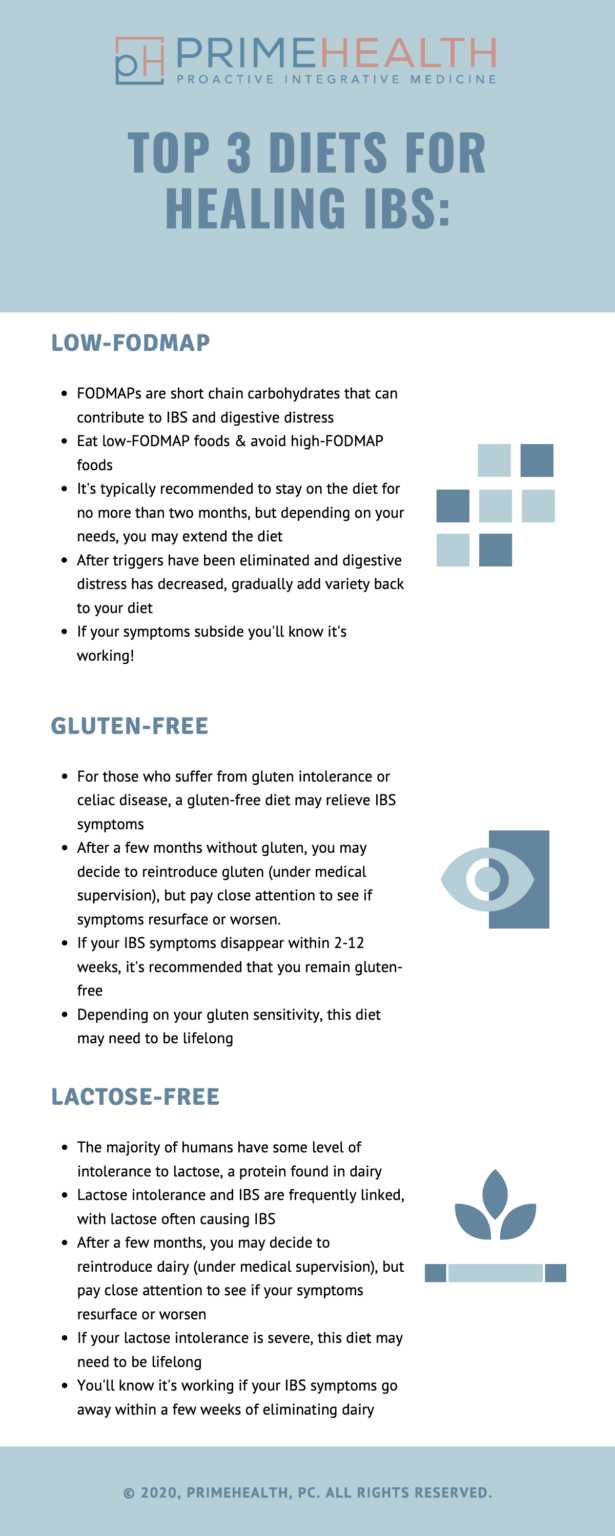
IBS Diets: How to Eat, Common Triggers & Food Preparation - PrimeHealth
7-Day Low FODMAP Diet Plan For IBS (+Printable PDF) - 24 ibs diet plan
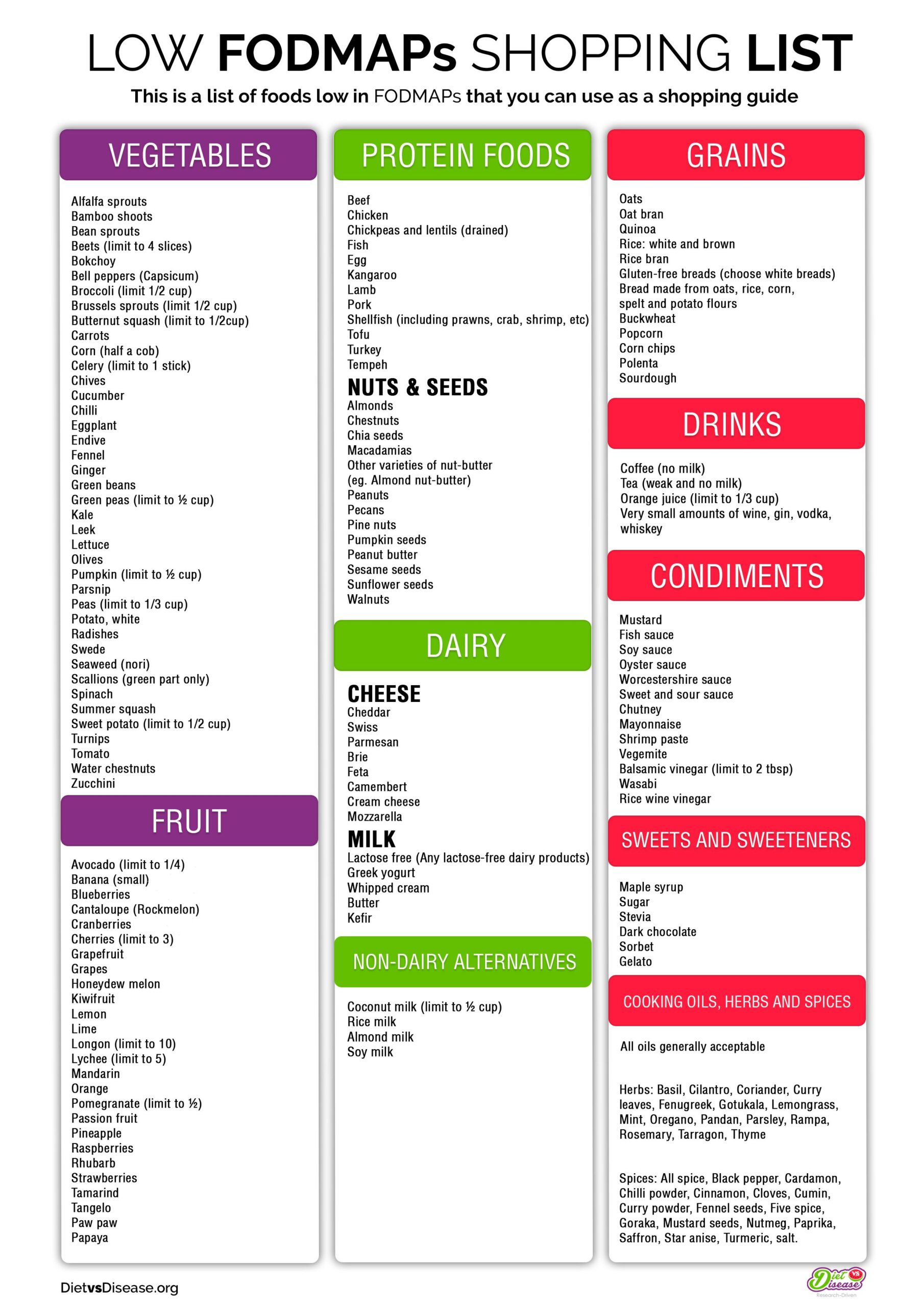
Low FODMAP Food Swap Cheat Sheet — Erin Skinner | Functional Medicine

IBS Diet Plan, Including What Foods to Avoid - Dr. Axe

Best Diet for eliminating the symptoms of IBS

Ibs Diet Plan Book - Diet Plan

Ibs Diet List – Depends Diapers Site

Diet Plan To Treat Ibs - DIETAIS
