Healthy Diet For Liver Cirrhosis
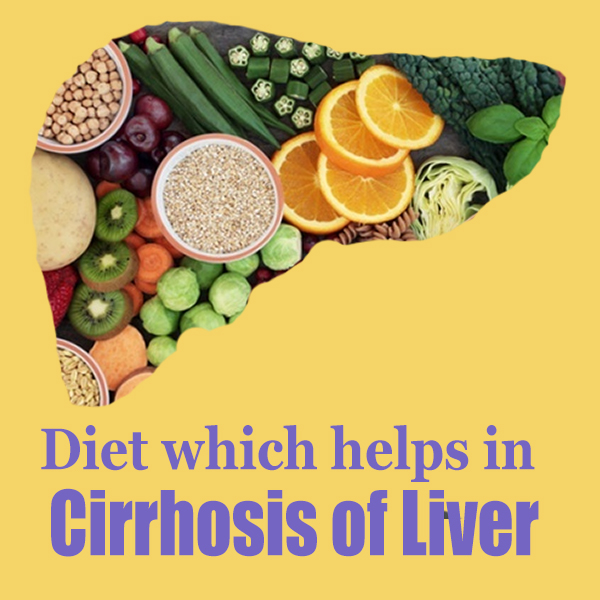
Healthy Diet for Liver Cirrhosis: 6 Guidelines
Introduction
Liver cirrhosis is a serious, potentially life-threatening medical condition that occurs when the liver is damaged and scarring occurs. It is an irreversible condition caused by long-term damage to the liver and can lead to complications such as liver failure, susceptible to infection, and even death. To reduce the risk of these complications, it is important for those with liver cirrhosis to follow a healthy diet.
1. Avoid Eating Too Much Protein
Protein is essential for a healthy body, but eating too much protein can be taxing for a damaged liver. Too much protein can cause the liver to produce ammonia, which can be toxic. Limit protein intake to 0.8-1.2 grams per kilogram of body weight per day. If you are overweight, use your ideal body weight to calculate the amount of protein you should consume each day.
2. Eat Healthy Fats
It is important to consume healthy fats, such as polyunsaturated and monounsaturated fats, rather than trans and saturated fats. Healthy fats are found in foods such as avocados, nuts, and olive oil. Trans and saturated fats can increase inflammation and worsen symptoms of liver cirrhosis.
3. Avoid Processed Foods and Refined Sugars
Processed foods and refined sugars can be difficult for the body to digest, particularly for those with liver cirrhosis. Instead of processed foods, choose unprocessed, whole foods that are rich in nutrients. Instead of refined sugars, opt for natural sweeteners like honey or maple syrup.
4. Reduce Sodium Intake
Too much sodium in the diet can worsen symptoms of liver cirrhosis. Avoid adding salt to foods and opt for herbs, spices, and other seasonings to enhance the flavor. Also, be sure to read labels and watch for hidden sources of sodium in processed foods.
5. Eat Foods Rich in Vitamin K
Vitamin K is an essential vitamin for those with liver cirrhosis. Vitamin K helps the body form blood clots and prevents bleeding. Good sources of vitamin K include leafy green vegetables like kale, spinach, and broccoli. Other sources of vitamin K include prunes, Brussels sprouts, and olive oil.
6. Drink Plenty of Water
Staying hydrated is important for those with liver cirrhosis. Drink plenty of water throughout the day, as well as other beverages such as herbal tea. Avoid drinks with caffeine, as caffeine can be dehydrating.
Conclusion
Following a healthy diet is essential for those with liver cirrhosis. Eating too much protein, unhealthy fats, and processed foods can worsen symptoms and increase the risk of complications. Eating foods rich in vitamin K, reducing sodium intake, and drinking plenty of water can help improve symptoms and overall health.
Diet which helps in cirrhosis of liver, so that liver function will
High Protein Diet For Liver Cirrhosis | Fatty Liver Disease

Best Food And Drink For Cirrhosis Of The Liver - Bongkar Resep Populer

12 Home Remedies for Cirrhosis of the Liver | Fatty liver remedies

Home Remedies for Cirrhosis of the Liver | Top 10 Home Remedies

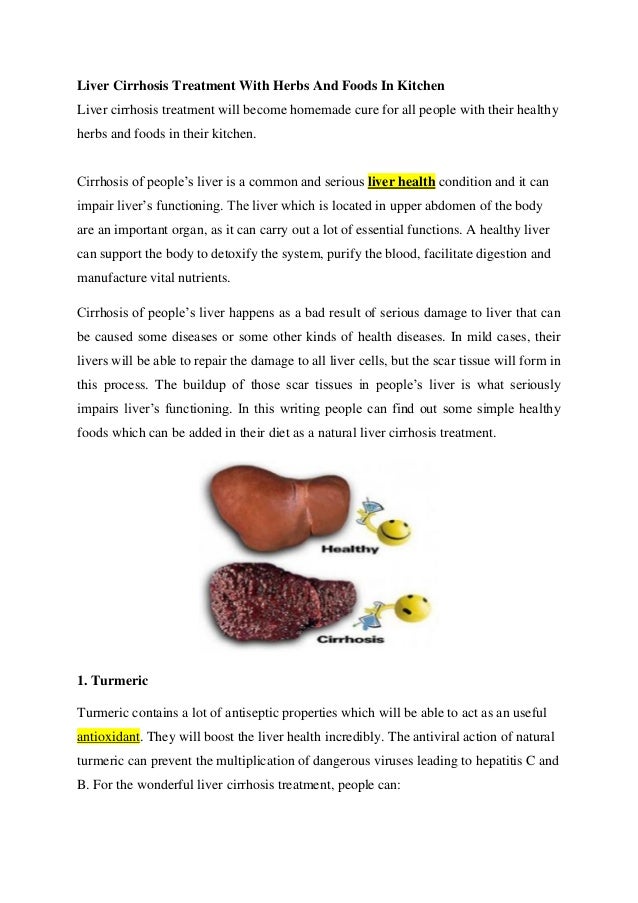
Liver Cirrhosis Treatment With Herbs And Foods In Kitchen
Love your liver - That Sugar Movement
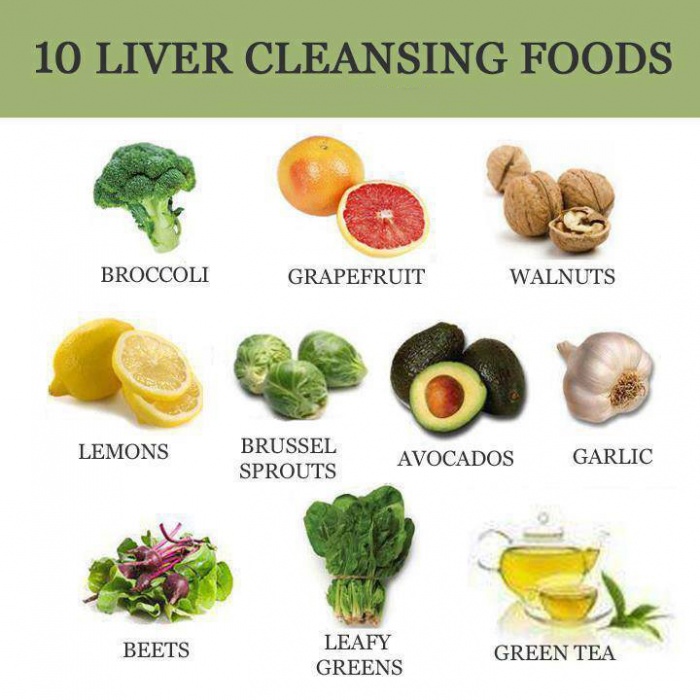
Liver cleansers | Healthy liver, Healthy detox, Liver detox

Diet In Liver Disease - Liver failure | liver disease Treatment

Nonalcoholic fatty liver disease - Diagnosis and treatment - Mayo
