How Is A Diabetic Diet Different From A Normal Diet
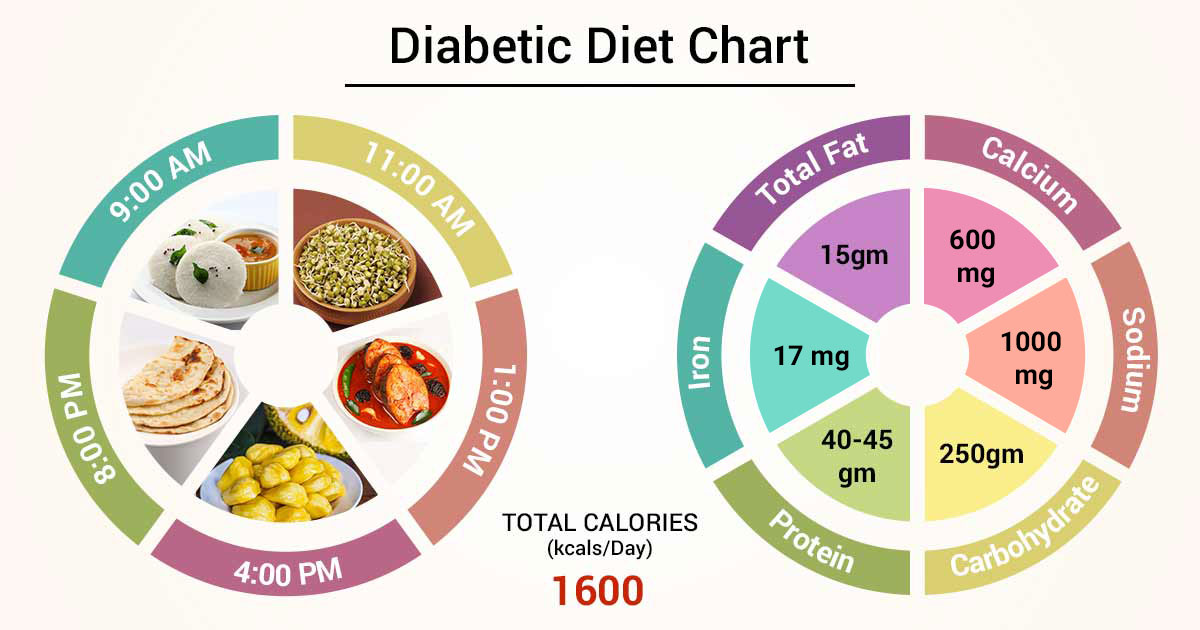
Diabetic Diet vs Normal Diet - What's The Difference?
Managing one's diet is an important part of staying healthy, particularly for those with diabetes. People with diabetes need to monitor their carb intake and have a diet plan that is tailored to their specific needs. But what exactly is a diabetic diet, and how is it different from a normal diet?
What is a Diabetic Diet?
A diabetic diet is one that is specially designed to help people with diabetes manage their blood sugar levels. A diabetic diet is not about eating less, but rather about eating the right types of food in the right amounts. This means that people with diabetes need to choose foods that are low in fat and sugar, and high in fiber and nutrients. Eating a balanced diet that is full of healthy, nutritious foods can help to improve blood sugar levels and reduce the risk of developing diabetes-related health complications.
What is a Normal Diet?
A normal diet is one that is based on a balanced eating plan that promotes overall health and wellness. A normal diet includes a variety of foods from all the major food groups and is rich in fruits, vegetables, whole grains, low-fat dairy, lean proteins, and healthy fats. Eating a normal diet helps to maintain a healthy weight, and can also help to reduce the risk of developing certain chronic diseases, such as heart disease and diabetes.
How is a Diabetic Diet Different From a Normal Diet?
The main difference between a diabetic diet and a normal diet is the emphasis on carbohydrates. A person with diabetes needs to be mindful of their carb intake, as too many carbs can cause blood sugar levels to spike. As such, a diabetic diet is typically lower in carbs than a normal diet. People with diabetes may need to limit their intake of certain carb-rich foods, such as bread, pasta, and sweets, and instead focus on eating more healthy, low-carb foods such as fruits, vegetables, and lean proteins.
In addition to monitoring carb intake, people with diabetes also need to be mindful of their fat intake. Eating too much fat can lead to weight gain, which can increase the risk of developing diabetes-related complications. For this reason, a diabetic diet is typically lower in fat than a normal diet, and the types of fat that are eaten should be healthy fats, such as those found in nuts, avocados, and olive oil.
Finally, people with diabetes need to be mindful of their sugar intake. Eating too much sugar can cause blood sugar levels to spike, so it is important for people with diabetes to monitor their sugar intake. Eating a diabetic diet means limiting added sugars from foods such as desserts, candy, and sweetened beverages, and instead focusing on eating naturally-occurring sugars found in fruits and dairy products.
Conclusion
A diabetic diet is a specially designed eating plan that helps people with diabetes manage their blood sugar levels. It is important for people with diabetes to monitor their carb, fat, and sugar intake and make sure that they are eating the right types of food in the right amounts. A diabetic diet is typically lower in carbs, fat, and sugar than a normal diet, and emphasizes eating whole, nutrient-rich foods. By following a diabetic diet, people with diabetes can help to control their blood sugar levels and reduce their risk of developing diabetes-related health complications.
Diet Chart For Diabetic Patient, Diabetic Diet chart | Lybrate.
The Best 7-Day Diabetes Meal Plan | EatingWell - Healthy diet plan for

Health | Diabetic food chart, Printable diabetic diet, Diabetic diet

Diabetes Diet: The Ultimate Diabetic Foods, Fruits, Vegetables and

Effective Diet plan for diabetic patient

A Helpful Overview Of Necessary Aspects For Diabetes Diet

Diabetic Diet Chart For the Diabetic Patient - Dt. Priyanka Jaiswal
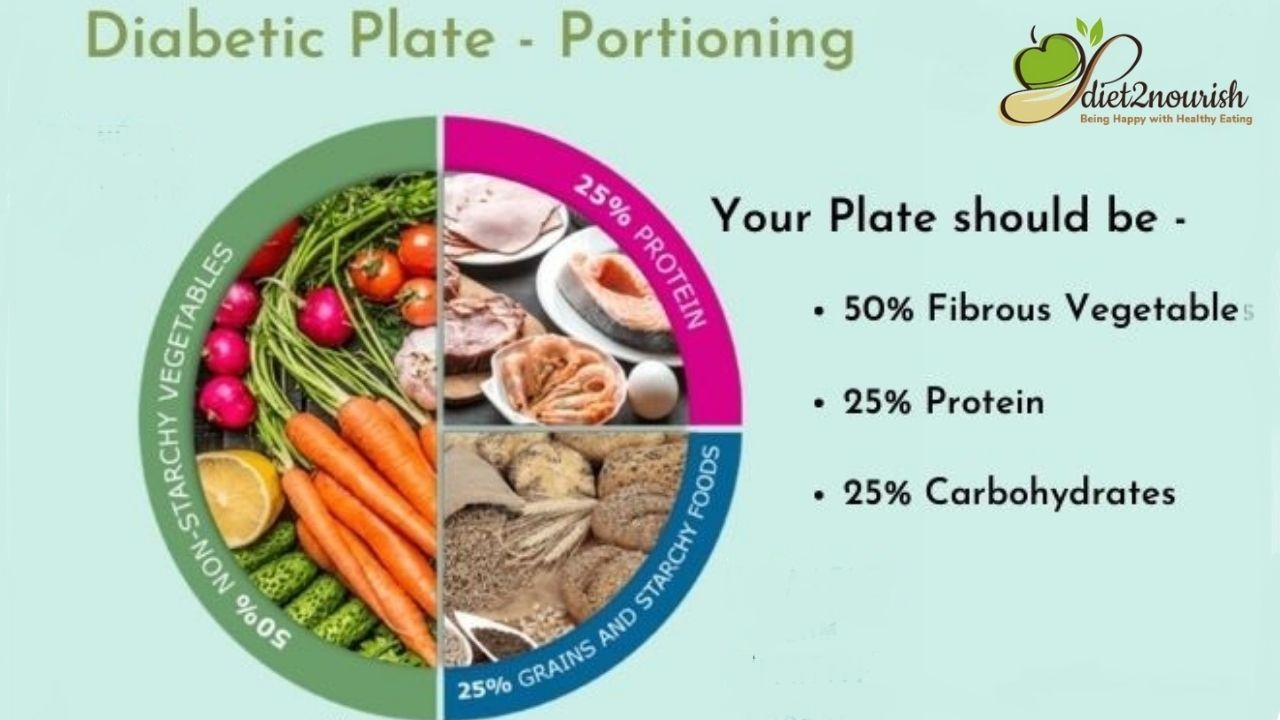
The Diabetic Diet and Diabetic Diet Plan for Weight Loss and Better Health

Diabetic diet

Diabetes Diet Plan: Nutritional Management of diabetes - MY22BMI