Australian Dietary Guidelines Serving Recommendations
Wednesday, April 8, 2026
Edit

Australian Dietary Guidelines Serving Recommendations
Australia’s Dietary Guidelines are designed to help Australians make healthier food choices, and serve as the basis for developing national nutrition policy, education and health promotion in the country. The Guidelines provide advice on food and nutrition to promote health and prevent diet-related diseases. The Guidelines provide advice on the number of servings from each of the five food groups that should be consumed each day.
Daily Serving Recommendations
The recommended number of servings for each of the five food groups for adults aged 19-50 years is:
- Vegetables and legumes/beans – 5 servings
- Fruit – 2 servings
- Grain (cereal) foods, mostly wholegrain and/or high cereal fibre varieties – 6 servings
- Lean meats and poultry, fish, eggs, tofu, nuts and seeds, and legumes/beans – 2-3 servings
- Milk, yoghurt, cheese and/or their alternatives – 2-3 servings
It is important to remember that the recommended servings are based on a 2,000 calorie per day diet. People who are more active may need more servings, while those who are less active may need fewer servings.
Vegetables & Legumes/Beans
The Australian Dietary Guidelines recommend that adults consume 5 servings of vegetables and legumes/beans per day. A serving of vegetables or legumes/beans is equal to 75g (or half a cup) of cooked vegetables or legumes/beans, or one cup of salad vegetables.
A variety of vegetables and legumes/beans should be eaten each day in order to get the full range of vitamins, minerals and antioxidants. Fresh, frozen and canned vegetables can all be included in your daily servings.
Fruit
The Australian Dietary Guidelines recommend that adults consume 2 servings of fruit per day. A serving of fruit is equal to one medium-sized piece of fruit, one small piece of dried fruit, or half a cup of canned fruit in natural juice.
It is important to eat a variety of fruit each day, in order to get the full range of vitamins, minerals and antioxidants. Fresh, frozen and canned fruit can all be included in your daily servings.
Grain (Cereal) Foods
The Australian Dietary Guidelines recommend that adults consume 6 servings of grain (cereal) foods per day. A serving of grain (cereal) foods is equal to one slice of bread, half a cup of cooked rice, pasta or noodles, or one quarter of a cup of porridge.
It is important to choose grain (cereal) foods that are mostly wholegrain and/or high cereal fibre varieties. This includes wholemeal bread, whole grain breakfast cereals, oats, barley, corn and brown rice. Not only are these foods higher in fibre, but they also contain more vitamins, minerals and antioxidants.
Lean Meats, Poultry, Fish, Eggs, Tofu, Nuts & Seeds, and Legumes/Beans
The Australian Dietary Guidelines recommend that adults consume 2-3 servings of lean meats, poultry, fish, eggs, tofu, nuts & seeds, and legumes/beans per day. A serving of these foods is equal to 65g (or half a cup) of cooked lean meats, poultry, fish, eggs, tofu, nuts & seeds, or legumes/beans.
It is important to choose lean meats, such as chicken, turkey, fish and lean cuts of red meat. Eating a variety of these foods will ensure that you get all the essential nutrients, such as protein, iron, zinc and B vitamins.
Milk, Yoghurt, Cheese, and/or Their Alternatives
The Australian Dietary Guidelines recommend that adults consume 2-3 servings of milk, yoghurt, cheese and/or their alternatives per day. A serving of milk, yoghurt, cheese and/or their alternatives is equal to one cup of milk, two slices of cheese, or one tub of yoghurt.
It is important to choose low fat varieties of milk, yoghurt and cheese. These foods are a great source of calcium, protein and vitamins A and B12. If you are lactose intolerant or vegan, you can choose milk, yoghurt and cheese alternatives that are fortified with calcium, such as soy milk, nut milks and vegan yoghurts and cheeses.
Pin by Desiree McCullough on What is healthy food? | Australian dietary
Picture Perfect Nutrition in 5 Minutes: Food Plates to Use

Eat well: The power of celebrity nutrition | SBS Food

Australian Dietary Guidelines Serving Sizes - DIETAROS

Australian Government Department of Health on Twitter: "Enjoy a variety

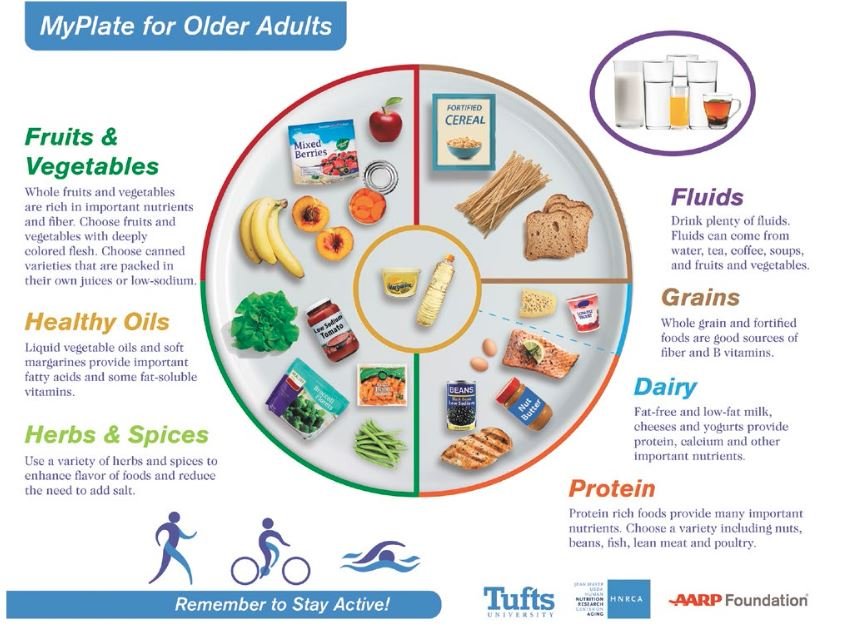
Myplate for elderly – Surfeaker
Meal plan for healthy weight | Australian dietary guidelines, Sample

PPT - The Governments role in Promoting healthy eating PowerPoint

How much red meat is recommended? - Meatco | Meat Supplier | Wholesale

Pin on Good Food
