How Healthy Is Japanese Food

How Healthy Is Japanese Food?
Japanese food is known for its unique flavours, variety and nutrition. Japanese cuisine is one of the healthiest diets in the world. It is based on fresh ingredients and a balanced combination of proteins, carbohydrates, and fats. Fish, seafood, rice, and vegetables are the staples of the Japanese diet. Japanese dishes tend to be low in calories, high in vitamins and minerals, and full of flavour.
Fish and Seafood
Fish and seafood are the primary sources of protein in the Japanese diet. Fish is an excellent source of omega-3 fatty acids, vitamins, and minerals. Seafood is also a great source of protein, and it is low in calories and fat. Eating fish several times a week can reduce the risk of heart disease, stroke, and certain types of cancer. Sushi and sashimi are two popular Japanese dishes that are made with fish and seafood.
Rice
Rice is another staple of the Japanese diet. It is a good source of carbohydrates, and it provides energy and nutrition. Rice is low in fat and sodium, and it is a good source of B vitamins, iron, and fiber. Eating rice can help to regulate blood sugar levels, and it can help to reduce the risk of obesity and type 2 diabetes. Rice is often served with meals, and it is a common ingredient in Japanese dishes such as sushi and fried rice.
Vegetables
Vegetables are an important part of the Japanese diet. They provide vitamins, minerals, fiber, and antioxidants. Eating a variety of vegetables can help to reduce the risk of many chronic diseases, such as heart disease and cancer. Popular Japanese vegetables include daikon radish, eggplant, mushrooms, bamboo shoots, and seaweed. Vegetables are often cooked in soy sauce and served with meals.
Soy Products
Soy products are a staple of the Japanese diet. Soybeans are high in protein, and they are a good source of vitamins and minerals. Soy products such as tofu, tempeh, and miso are low in fat and high in fiber. Eating soy products can help to reduce the risk of heart disease and certain types of cancer. Soy products are often used in soups, salads, and stir-fries.
Conclusion
The Japanese diet is one of the healthiest in the world. It is based on fresh ingredients and a balanced combination of proteins, carbohydrates, and fats. Fish, seafood, rice, and vegetables are the staples of the Japanese diet. Eating a variety of foods from the Japanese diet can help to reduce the risk of many chronic diseases and promote overall health and wellbeing.
Healthy Japanese food: 11 Japanese dishes you must try
Healthy Japanese food: 11 Japanese dishes you must try

6 Healthy Japanese Food Habits that Help You Stay Slim - Indoindians.com
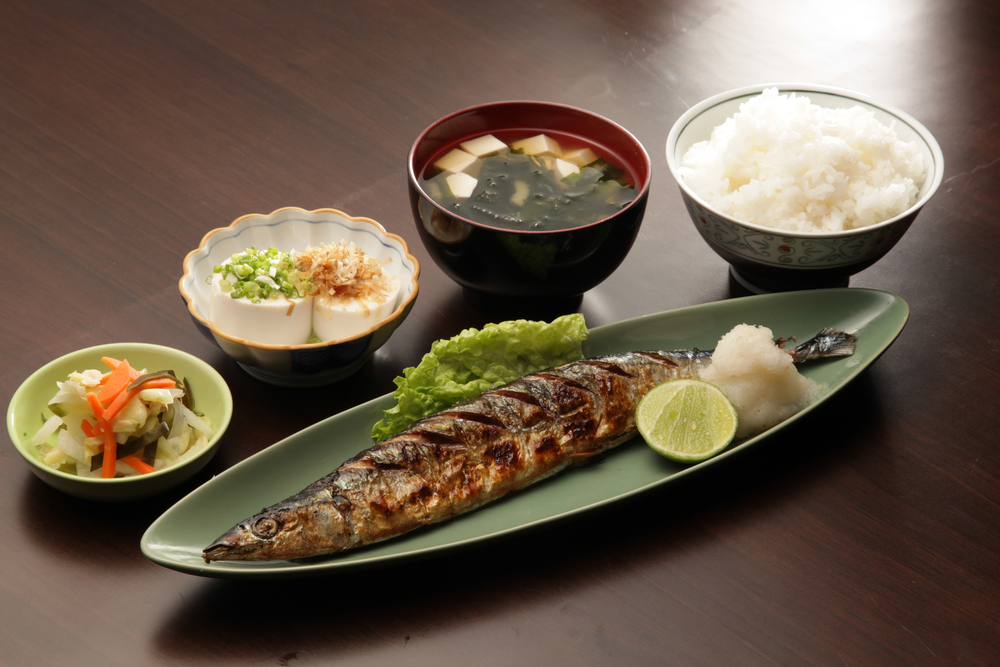
5 Healthy Japanese Dishes To Help Balance Your Diet - Savvy Tokyo
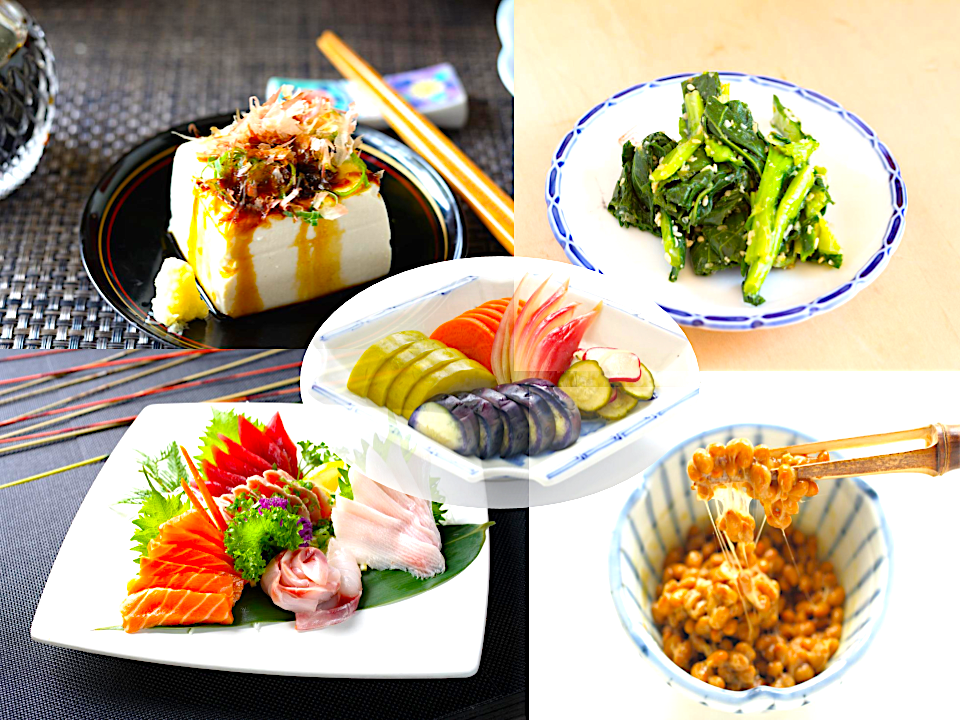
Healthy Japanese Food – Top 10 Dishes You Should Start Eating Now
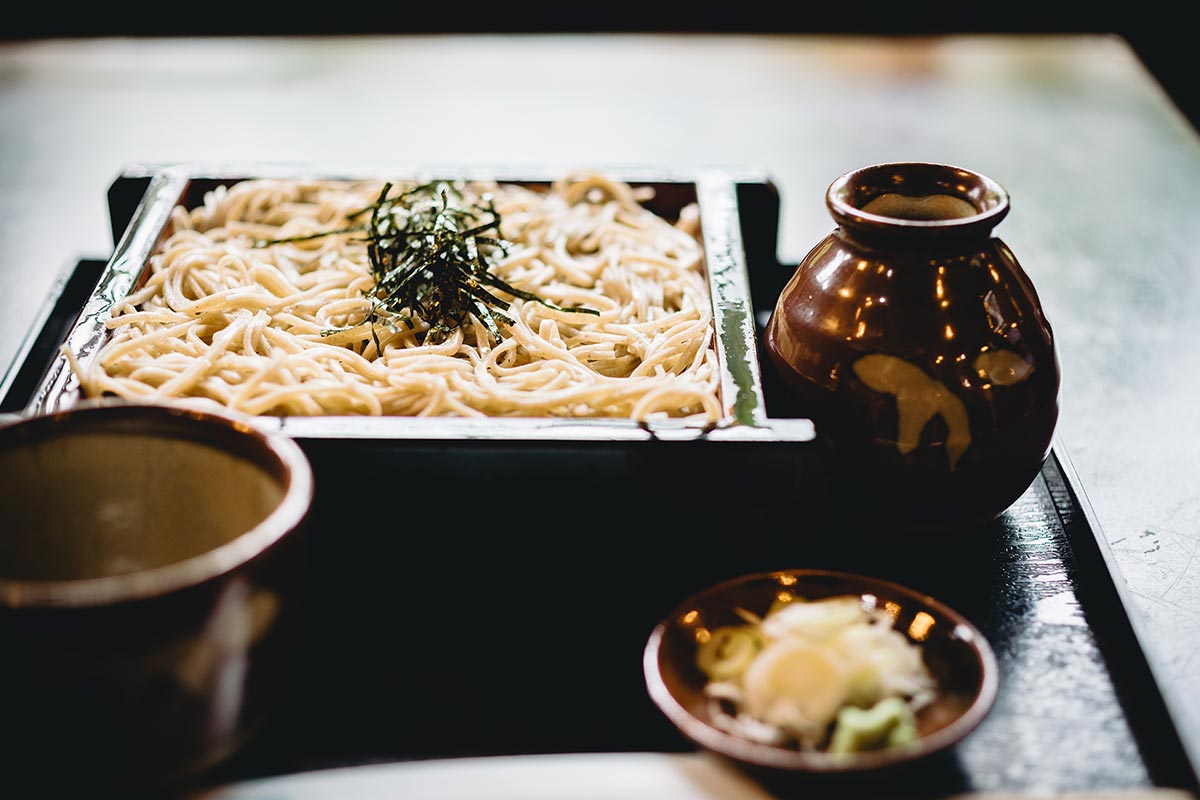
Healthy Japanese Food – Top 10 Dishes You Should Start Eating Now
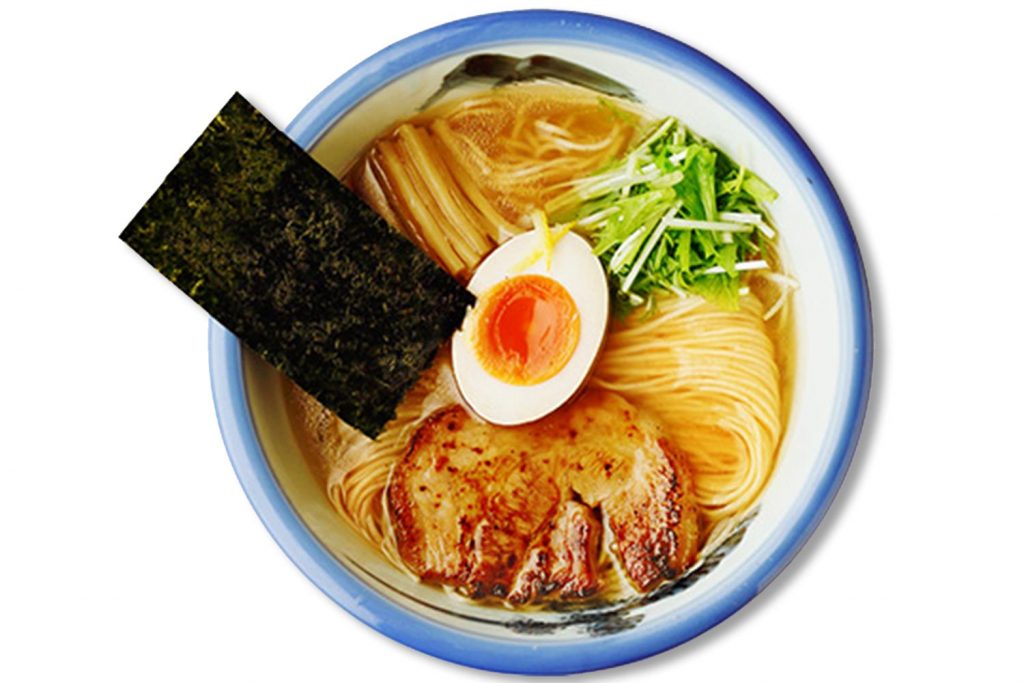
6 Healthy Japanese Food Habits that Help You Stay Slim - Indoindians.com
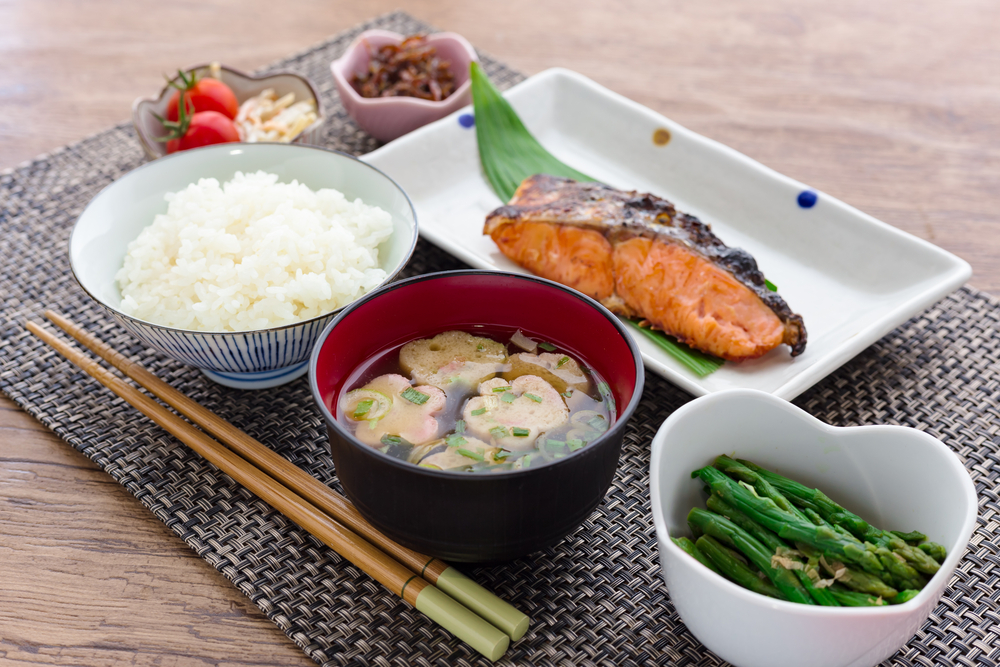
3 Healthy and Easy Japanese Dishes You Can Make at Home | by Kaki
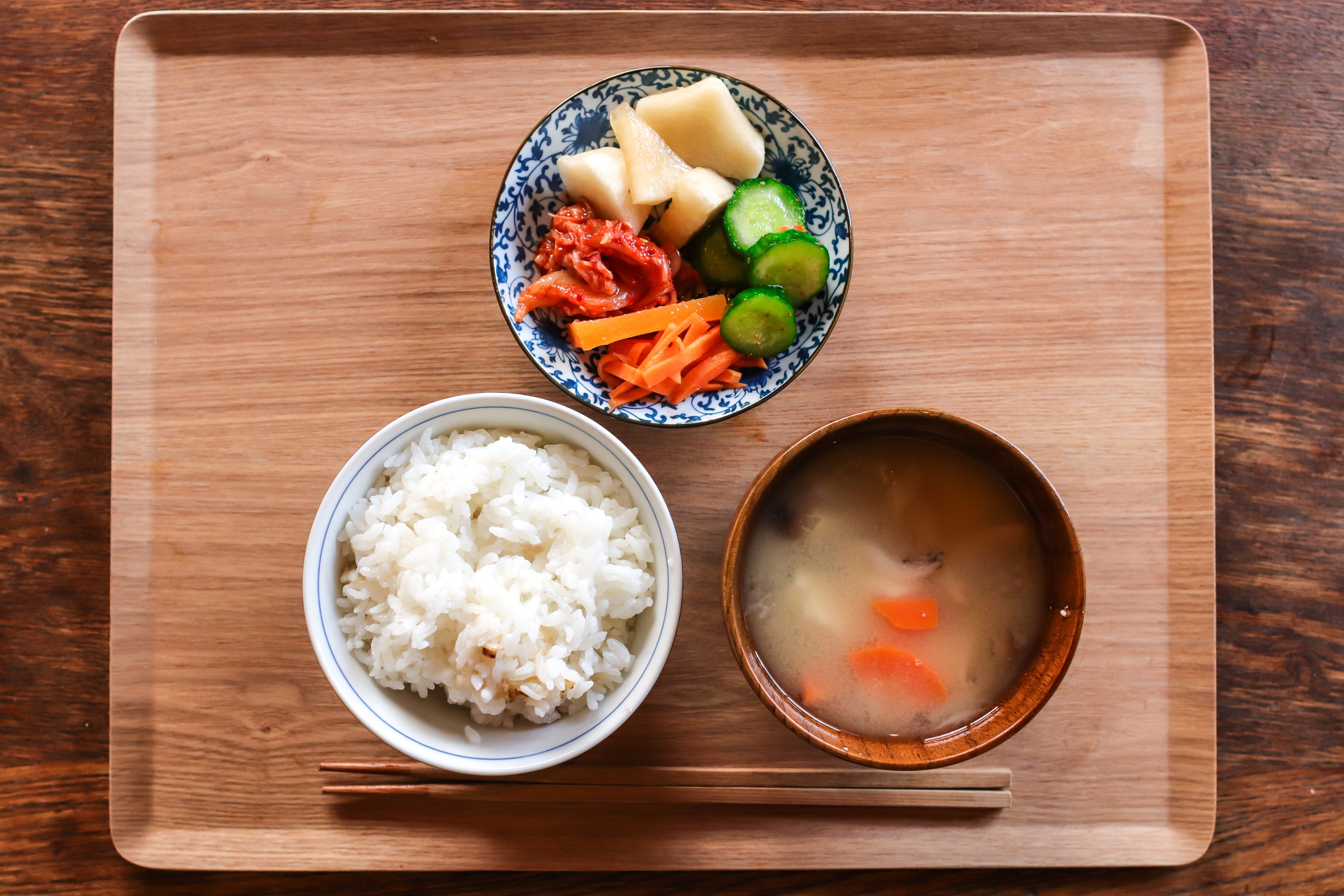
Healthy Japanese Food – Top 10 Dishes You Should Start Eating Now
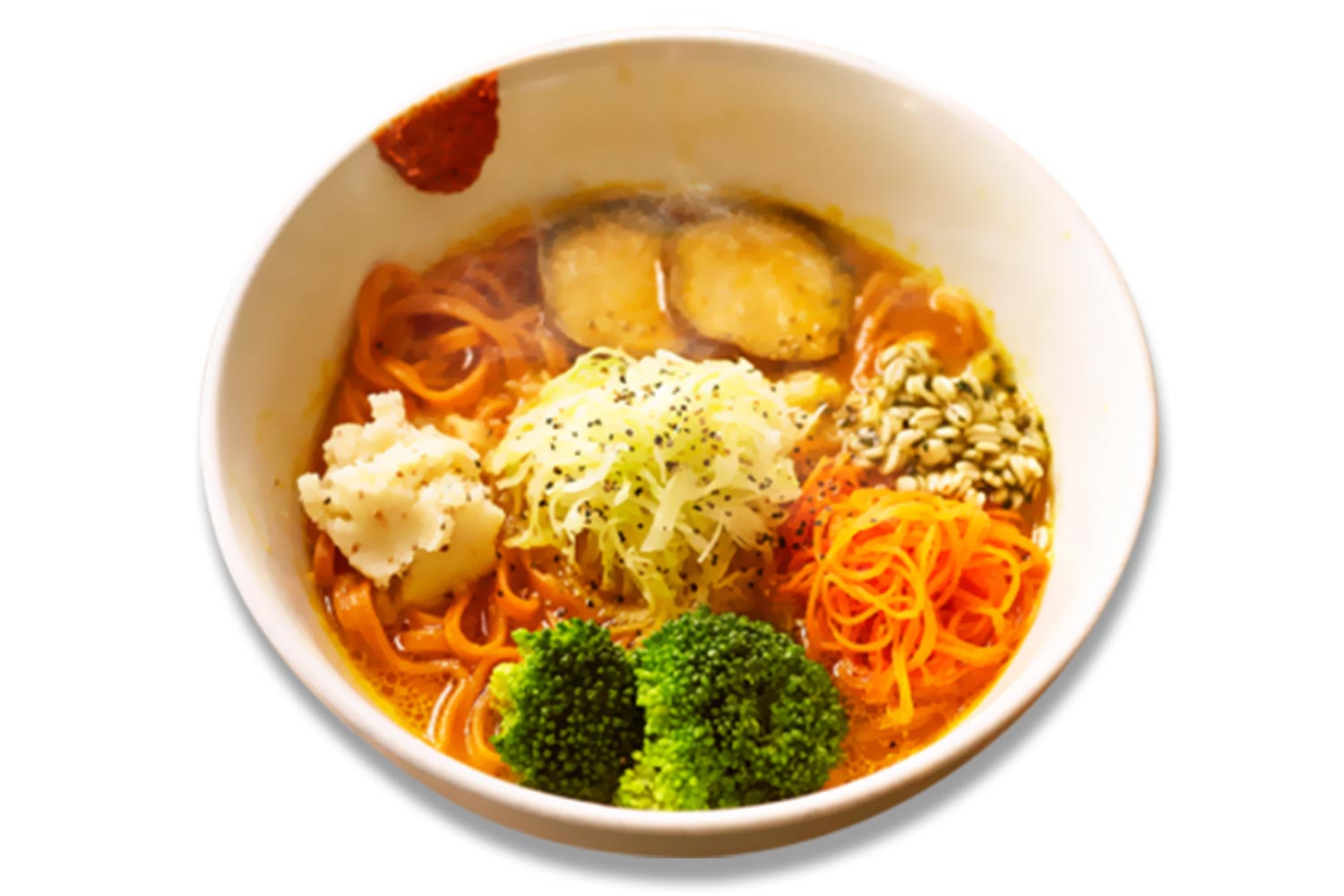
Aki's Healthy Japanese Food
