Connection Between Diet And Mental Health

Connection Between Diet And Mental Health
Diet and Mental Health: What Is The Link?
Eating certain foods can have a major effect on your mental health. Recent studies have shown that food can have a direct effect on your mood, behavior, and even your thoughts. While some foods can have positive effects on your mental health, others can have negative effects. It is important to understand the link between diet and mental health and how to make sure you are eating the right foods to keep your mental health in check.
The Impact Of Diet On Mental Health
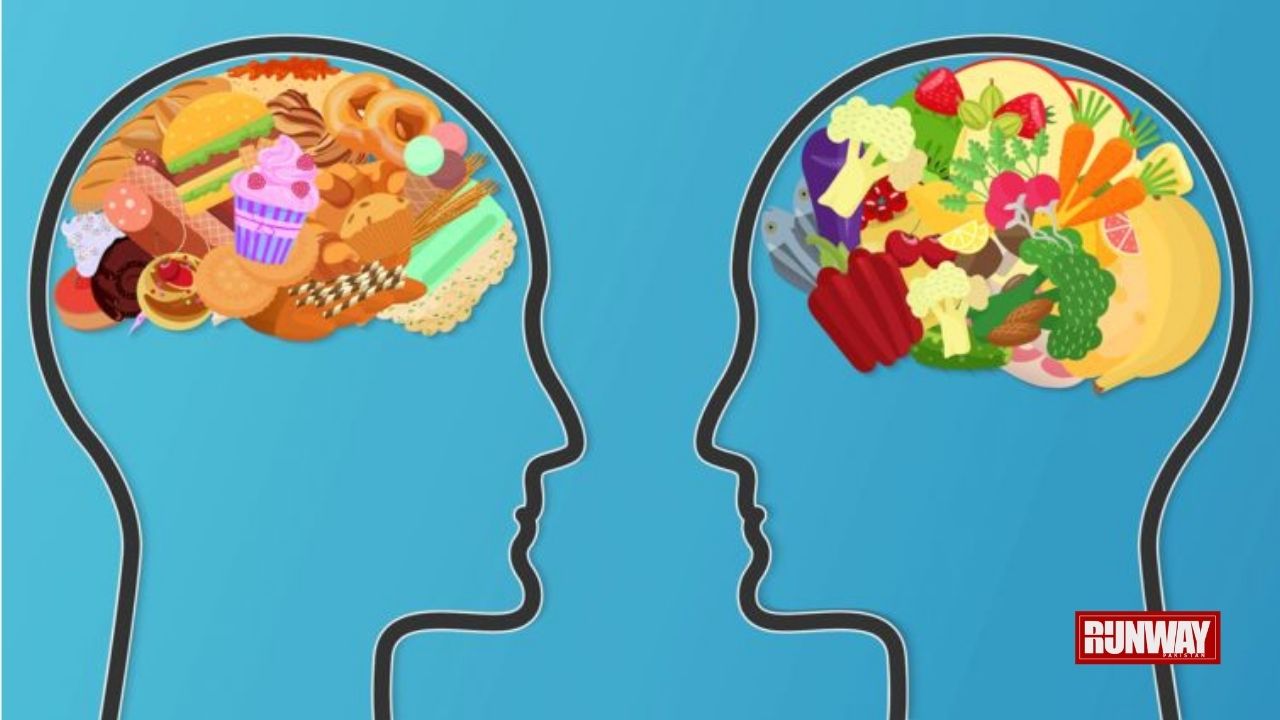
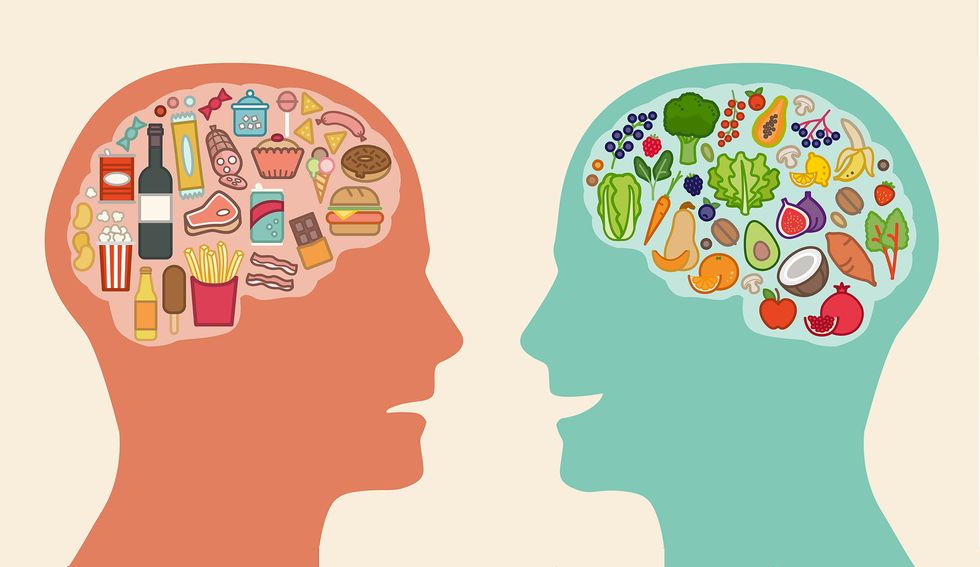
The connection between diet and mental health is clear. For example, when you eat a meal that is high in sugar and fat, you may feel energetic and happy for a short period of time. However, this feeling is usually followed by a crash, leaving you feeling sluggish and low. This is because sugar and fat cause a spike in your blood sugar levels, which can lead to a crash in energy. Similarly, eating a meal that is high in processed foods and carbohydrates can lead to a feeling of lethargy and depression.
The Benefits Of Eating Healthy
On the other hand, eating a balanced diet that is rich in fruits, vegetables, lean proteins, and healthy fats can have a positive effect on your mental health. Eating foods that are high in fiber and low in sugar can help to keep your blood sugar levels stable, which can help to reduce feelings of fatigue and depression. Eating a variety of healthy foods can also help to reduce stress and anxiety, as well as improve your overall mood.
Foods To Avoid
In addition to eating a balanced diet, it is also important to avoid certain foods that can have a negative effect on your mental health. For example, processed foods and foods that are high in sugar and fat should be avoided, as these can lead to a crash in energy and can increase feelings of depression. Caffeine and alcohol are also known to have a negative effect on mental health and should be avoided or consumed in moderation.
Tips For Improving Mental Health Through Diet
Making sure you are eating the right foods to support your mental health can be difficult, but there are a few tips that can help. First, make sure to eat a variety of fruits, vegetables, lean proteins, and healthy fats. This will help to keep your blood sugar levels stable and can help to reduce feelings of depression and anxiety. It is also important to avoid processed foods, sugar, and caffeine. Finally, make sure to stay hydrated! Drinking plenty of water throughout the day can help to reduce stress and improve your overall mood.
Conclusion
In conclusion, it is clear that there is a strong connection between diet and mental health. Eating a balanced diet that is rich in fruits, vegetables, lean proteins, and healthy fats can have a positive effect on your mental health. On the other hand, eating processed foods, foods that are high in sugar and fat, and consuming too much caffeine and alcohol can have a negative effect on your mental health. By following the tips outlined above, you can make sure you are eating the right foods to support your mental health.
The Deep Connection Between Nutrition and Mental Health - Infographic
The Deep Connection Between Nutrition and Mental Health - Infographic
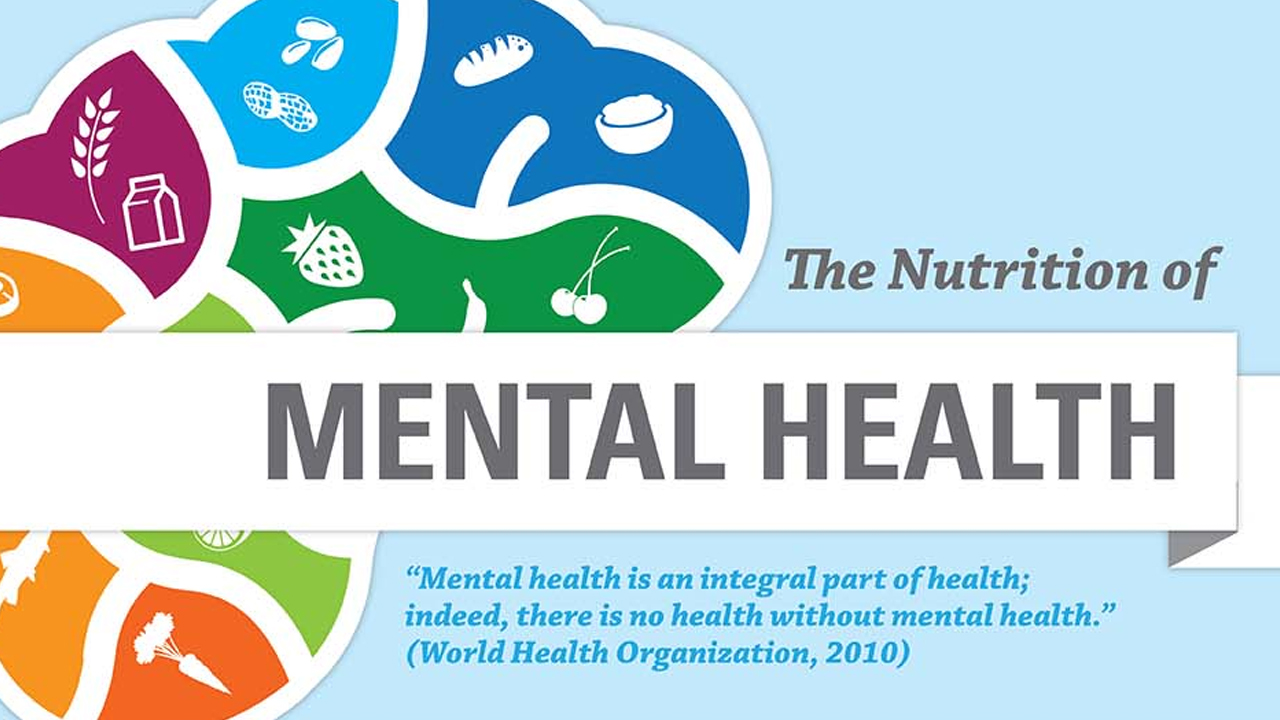
Link between Diet and Mental Health - Role of a Nutritious Diet on

Connection between diet and mental health - Runway Pakistan
Pin on Mental Health - Just Deal with it

Can Diet Conquer Depression? This Clinical Trial Says Yes - Big Think
CHW The Connection Between Mental Health, Diet, Nutrition and Gut
Healthy Diets For Mental Health - healthy nutrition vegetarian diet
The connection between diet and mental health | Vaalweekblad

#17: This Is Your Brain On Food: The Connection Between Diet & Mental
