Contaminants In Drinking Water Environmental Pollution And Health

Contaminants In Drinking Water Environmental Pollution And Health
Introduction
Water is an essential resource for human life. It is essential for drinking, cleaning, and cooking. However, many pollutants can enter the water supply and make it unsafe for human consumption. Contaminants in drinking water can cause health problems, such as gastrointestinal illnesses, skin rashes, or even cancer. Environmental pollution is the main reason for these contaminants in drinking water. It is important to understand the sources of environmental pollution and their effects on drinking water.
Sources of Environmental Pollution
Environmental pollution can come from a variety of sources. Natural sources, such as volcanic eruptions, can release pollutants into the air, which can then be deposited into water sources. Man-made sources, such as industrial activities, can also release pollutants into the air and water. Other sources of pollution include agricultural activities, such as fertilizer and manure runoff, and vehicle emissions. All of these sources can release contaminants into the water supply.
Types of Contaminants in Drinking Water
There are many types of contaminants that can be found in drinking water. These include bacteria, viruses, parasites, metals, chemicals, and other substances. Bacteria, such as E. coli, can cause gastrointestinal illnesses. Viruses, such as hepatitis A, can cause liver disease. Parasites, such as cryptosporidium and giardia, can also cause gastrointestinal illnesses. Metals, such as lead and mercury, can cause neurological and kidney damage. Chemicals, such as chlorine and fluoride, can cause skin irritation and other health problems.
Effects of Contaminants on Human Health
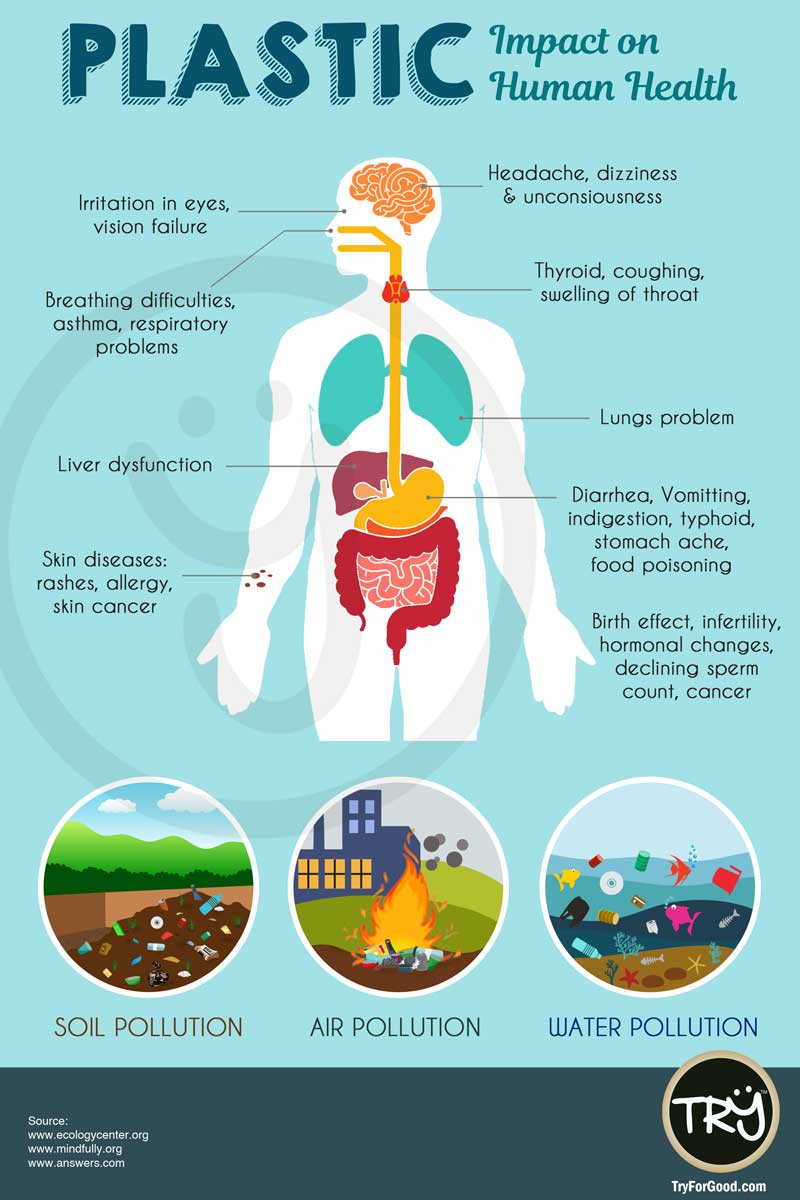
Contaminants in drinking water can have a wide range of effects on human health. Gastrointestinal illnesses are the most common effects of contaminants in drinking water. These illnesses can cause diarrhea, vomiting, and abdominal pain. Skin rashes, respiratory problems, and neurological disorders are also common effects of drinking contaminated water. Long-term exposure to contaminants can even lead to cancer.
Preventing Contamination of Drinking Water
The best way to prevent the contamination of drinking water is to reduce sources of environmental pollution. Industrial activities should be monitored and regulated to minimize the release of pollutants into the air and water. Additionally, agricultural activities should be managed to reduce fertilizer and manure runoff. Automobiles should be properly maintained to reduce emissions. Finally, it is important to regularly test drinking water for contaminants.
Conclusion
Contaminants in drinking water can have a serious impact on human health. It is important to understand the sources of environmental pollution and their effects on drinking water. The best way to prevent the contamination of drinking water is to reduce sources of environmental pollution and regularly test for contaminants. By taking these steps, it is possible to ensure that drinking water is safe for human consumption.
Are there contaminants in my drinking water? | Visual.ly
Is your drinking water making you sick?

30 Fast Facts About Water Contamination (ALL YOU NEED TO KNOW)

plastic based water pollution Archives - TRY For Good
Emerging Contaminants in Drinking Water Cause Consumer Health Concerns

Drinking Water and Unregulated Contaminants: Analyses of EPA Measures

Types of Contaminants in Your Drinking Water - Clean Water Gear

20 More Amazing Water Facts Infographic … | rahul | Water…

Causes Of Water Pollution | How Water pollution Affect Humans?

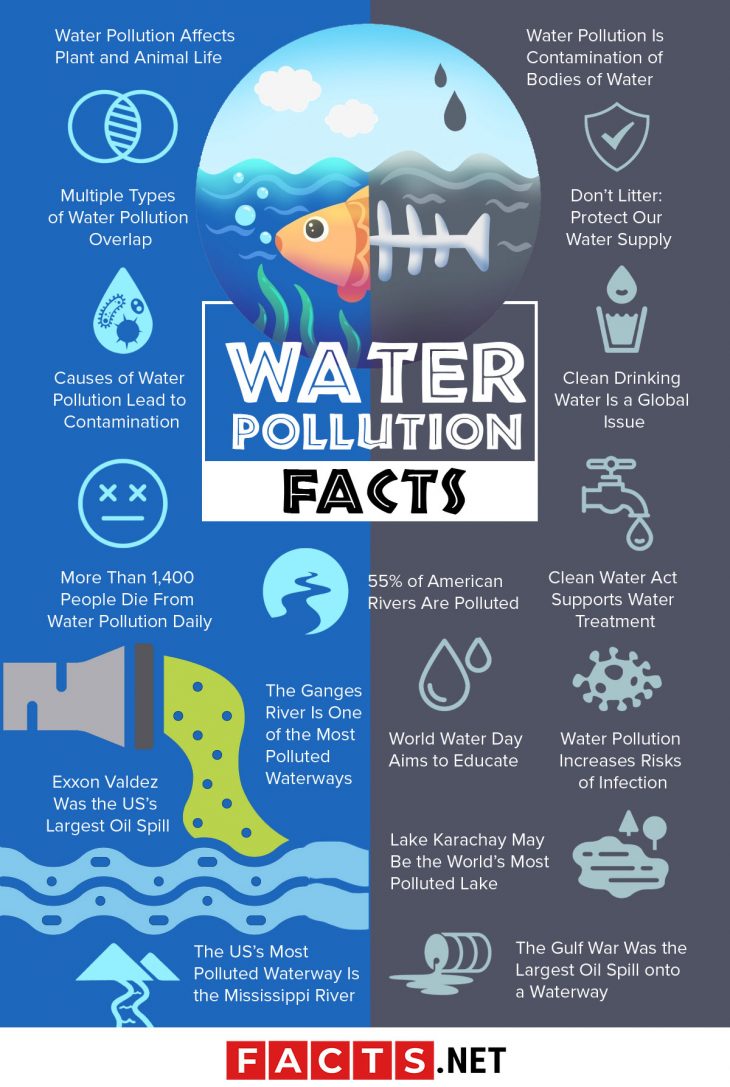
Water Pollution Facts: Causes, Effects & More | Facts.net