8 Government Guidelines For Healthy Eating
Friday, April 25, 2025
Edit
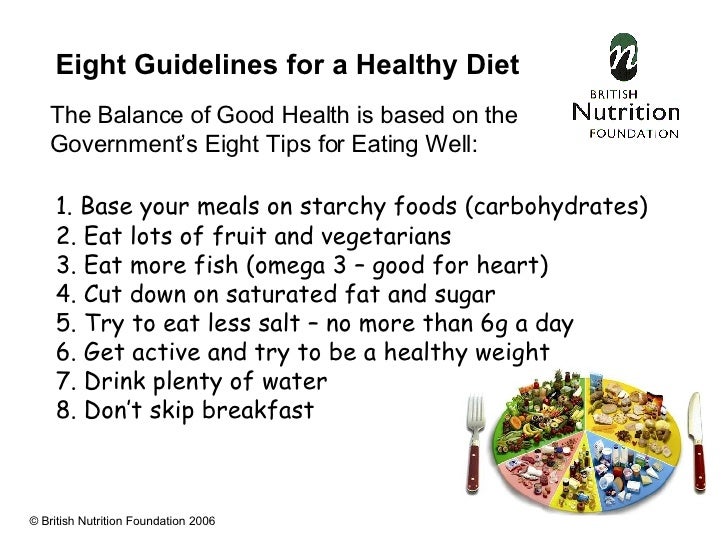
8 Government Guidelines For Healthy Eating
Eat a Variety of Foods
The first guideline for healthy eating is to eat a variety of foods. This means including different types of proteins, fruits, vegetables, grains, and dairy in your diet. Eating a variety of foods ensures that you get all of the essential nutrients your body needs. Eating a variety of foods also helps prevent boredom and overindulging in any one type of food. Eating a variety of foods can also help you save money on your food budget.
Make Half Your Plate Fruits and Vegetables
Another important guideline for healthy eating is to make half your plate fruits and vegetables. Eating fruits and vegetables provide your body with essential vitamins and minerals that are important for good health. Fruits and vegetables are low in calories and high in fiber, so they can help fill you up without adding a lot of extra calories. Eating a variety of colors of fruits and vegetables can also help ensure that you get a variety of essential nutrients.
Switch to Fat-Free or Low-Fat Milk
Switch to fat-free or low-fat milk is another important guideline for healthy eating. Milk provides essential nutrients such as calcium, vitamin D, and protein. Low-fat or fat-free milk is a good choice because it still provides these essential nutrients without all of the extra fat and calories. Additionally, low-fat and fat-free milk can help reduce your risk of heart disease and stroke.
Choose Whole Grains
When it comes to grains, it's important to choose whole grains over refined grains. Whole grains provide more nutrients and fiber than refined grains, so they can help keep you full longer and provide more essential nutrients. Whole grains are also associated with a lower risk of heart disease and diabetes. Examples of whole grains include oats, quinoa, brown rice, and whole wheat bread.
Go Lean with Protein
When it comes to proteins, it's important to choose lean proteins. Lean proteins are low in saturated fat and cholesterol, so they can help reduce your risk of heart disease. Examples of lean proteins include beans, fish, skinless poultry, and lean cuts of beef and pork.
Limit Sodium and Sugars
It's also important to limit your intake of sodium and sugars. Too much sodium can increase your risk of high blood pressure and stroke, while too much sugar can increase your risk of obesity and diabetes. Try to replace processed foods with fresh foods that are naturally low in sodium and sugar.
Drink Water
Finally, the last guideline for healthy eating is to drink plenty of water. Water helps keep your body hydrated, which is important for good health. Water also helps flush out toxins, so it can help keep your body functioning properly. Aim to drink at least 8 glasses of water each day to stay well hydrated.
Conclusion
These 8 government guidelines for healthy eating can help you make healthier choices and improve your overall health. Eating a variety of foods, making half your plate fruits and vegetables, choosing whole grains and lean proteins, limiting sodium and sugars, and drinking plenty of water are all important steps to take for a healthier diet.
L7. Nutrition
The Government's carb-heavy healthy eating guide could be CAUSING

Aus Guidelines To Healthy Eating | AFA Careers
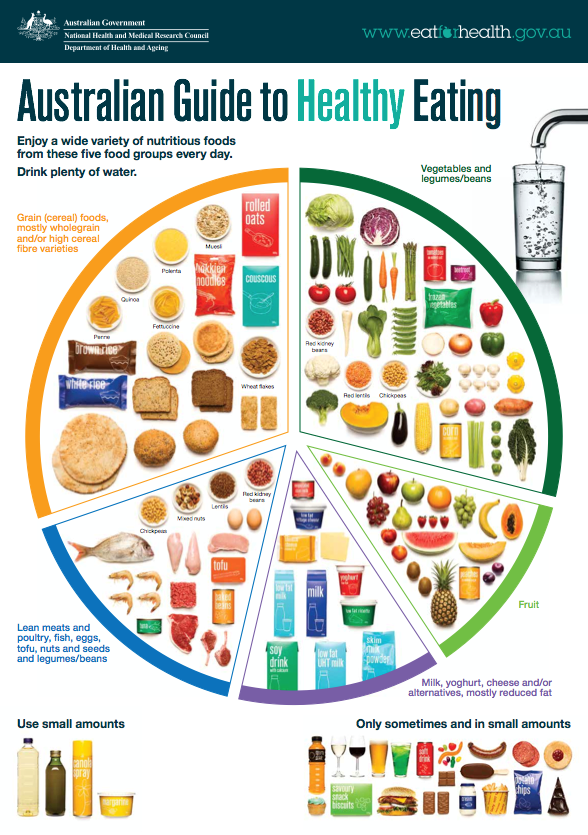
5 Reasons The Government's Nutrition Advice Isn't Working | The

Healthy Eating Guidelines - HSE.ie

What are healthy nutrition guidelines for seniors? | Nutrition

Eating healthy…what does it mean? | health and fitness for dummies

The New Eatwell Guide - Dietitian's Life
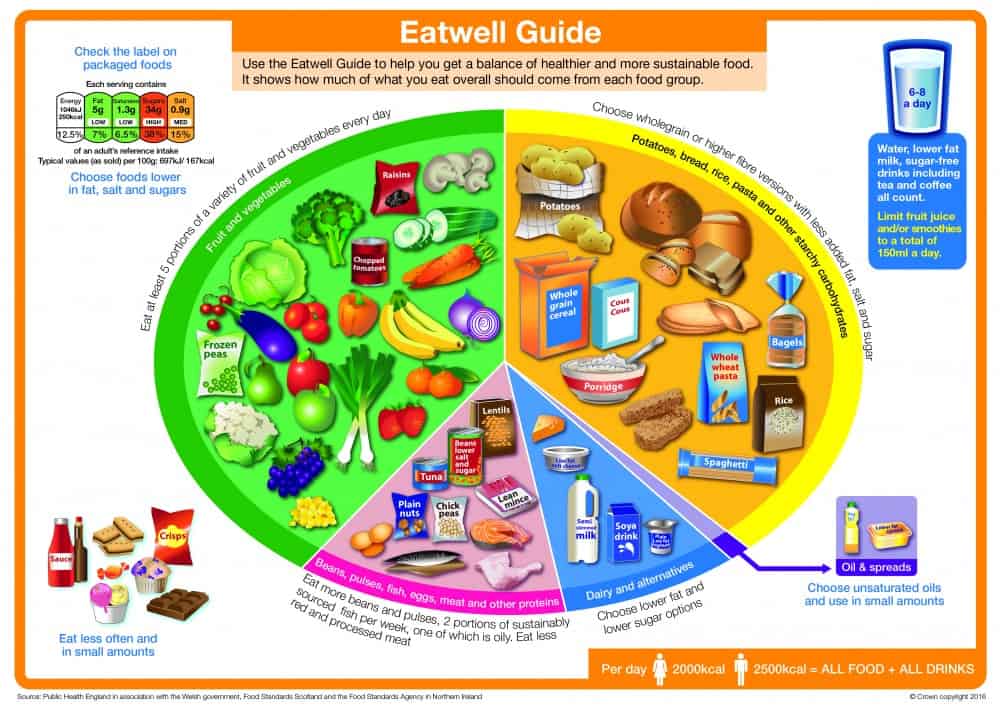
The Uproar Over New Federal Dietary Guidelines Is a Lot of Hot Air
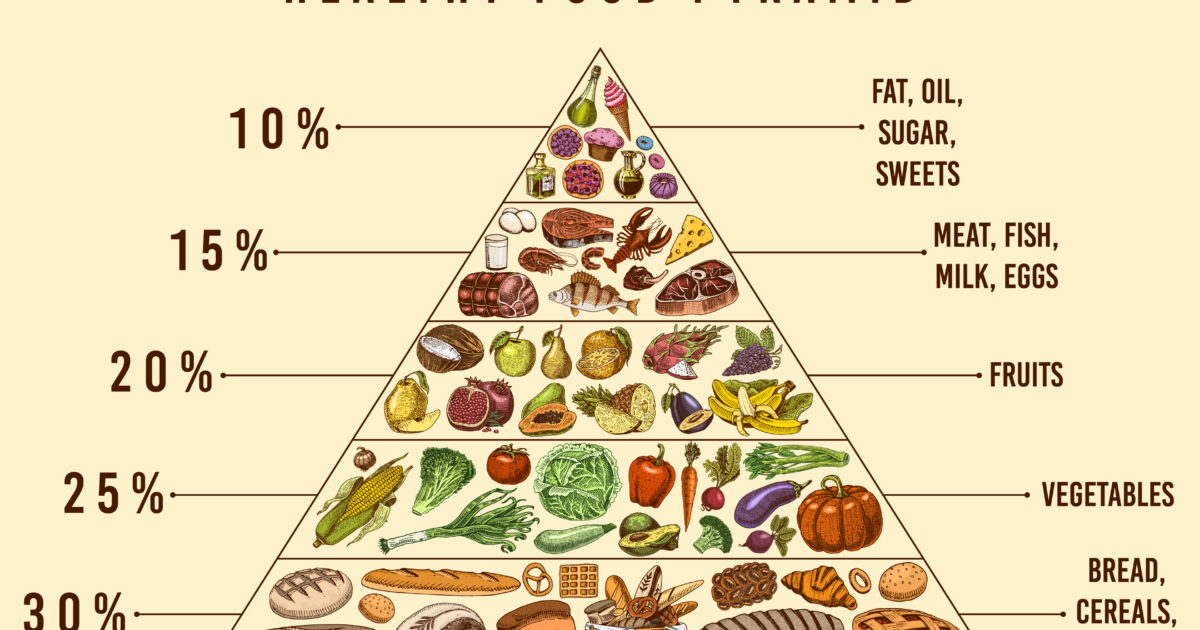
Picture Perfect Nutrition in 5 Minutes: Food Plates to Use
