What Is The Healthiest Deli Meat To Eat

What is the Healthiest Deli Meat to Eat?
The Basics of Deli Meat
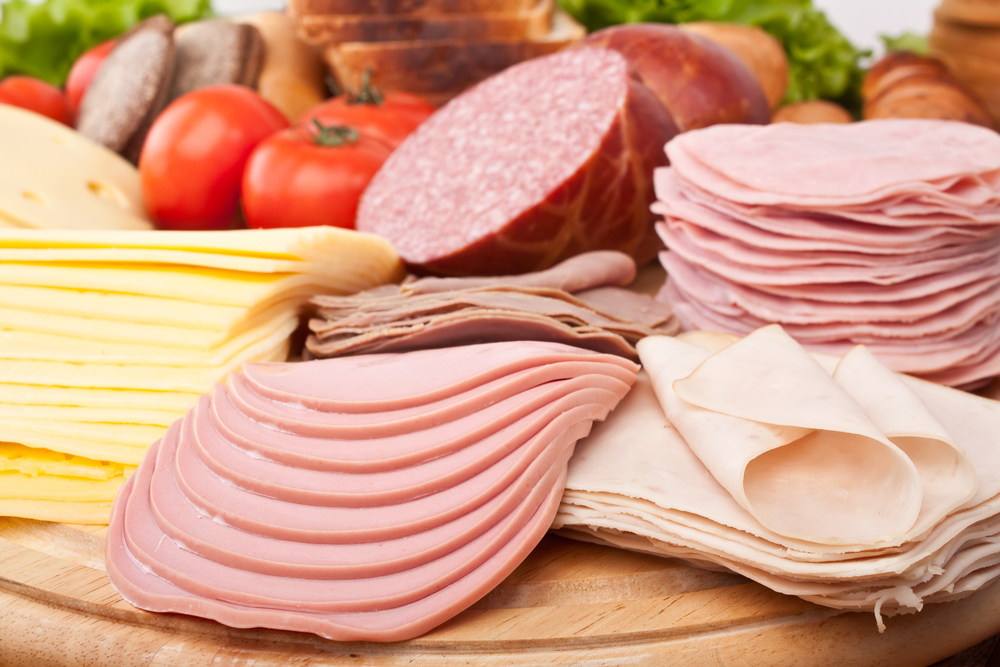
Deli meats are a convenient, tasty addition to a variety of meals, from sandwiches and wraps to salads and casseroles. But before you start piling on the salami and pastrami, it’s important to understand the nutritional value of deli meat and how to choose the healthiest options. Deli meats are generally cured, smoked, and processed meats that are sliced thin and sold at the deli counter in grocery stores. They often contain preservatives and other additives to maintain their texture and flavor. Some types of deli meats, including turkey, ham, and roast beef, are made from lean cuts of meat, while others, like salami and bologna, are made from fattier cuts.
Nutritional Considerations
Deli meats are relatively high in saturated fat, sodium, and calories, but depending on the type of meat you choose, they can also be a good source of nutrients like protein, vitamins, and minerals. A 2-ounce serving of turkey breast, for example, contains about 10 grams of protein and only 1 gram of fat. A similar serving of salami, on the other hand, contains about 8 grams of fat, of which 4 grams are saturated. High amounts of sodium are also a concern with deli meats, as they can contribute to high blood pressure. A single serving of salami contains nearly 1,000 milligrams of sodium, while the same serving of turkey breast contains only about 300 milligrams.
Making the Healthiest Choices
When shopping for deli meat, look for options labeled as “low-sodium” or “reduced-sodium” to help limit your intake of sodium. Additionally, look for lean cuts of meat, such as turkey, ham, and roast beef. Avoid processed meats like salami and bologna, which tend to be higher in fat and sodium. If you’re in a pinch, you can opt for pre-packaged sliced meats, but check the nutrition label carefully to ensure you’re making the healthiest choice. For the healthiest deli meat, opt for fresh cuts from the deli counter. These are usually lower in sodium and have fewer additives than pre-packaged options.
Making Deli Meats Part of a Healthy Diet
Deli meats can be a nutritious addition to your diet, as long as you make smart choices when selecting and preparing them. To maximize the health benefits of deli meats, opt for lean cuts like turkey, ham, and roast beef, and look for reduced-sodium varieties. When eating deli meats, focus on portion control, and try to pair them with other nutrient-dense foods, such as fresh vegetables, fruits, and whole grains. Additionally, avoid eating deli meats more than once or twice a week, as the saturated fat and sodium content can add up quickly.
Overall, Deli Meats Can Be a Healthy Part of Your Diet
When consumed in moderation and prepared in a healthy way, deli meats can be a nutritious addition to your diet. Opt for lean, low-sodium cuts like turkey, ham, and roast beef, and try to pair them with other nutrient-dense foods. Additionally, limit your consumption of deli meats to one or two times per week, and look out for pre-packaged options that are high in sodium and preservatives. By following these tips, you can enjoy deli meats as a part of a healthy, balanced diet.
What Is the Healthiest Deli Meat? | LIVESTRONG.COM
19 Absolute Healthiest Meats to Choose (and 6 Meatless Protein Source)

The 10 Healthiest (and Unhealthiest) Meats You Can Eat

Whole30 Deli Meats: Where to Find the Rare Deli Meats That Are Compliant!

Healthiest Meats | Good For You Foods | Healthy meats, Healthy recipes

Make the Healthiest Lunch Meat in the Air Fryer

The Truth About Nitrite in Lunch Meat | Live Science
7 Healthiest meat to eat and stay healthy everyday

What Kind Of Lunch Meat Can Diabetics Eat? | DiabetesTalk.Net

Healthy Deli Lunch Meats | LIVESTRONG.COM
