What Is The Planetary Health Diet

What is the Planetary Health Diet?
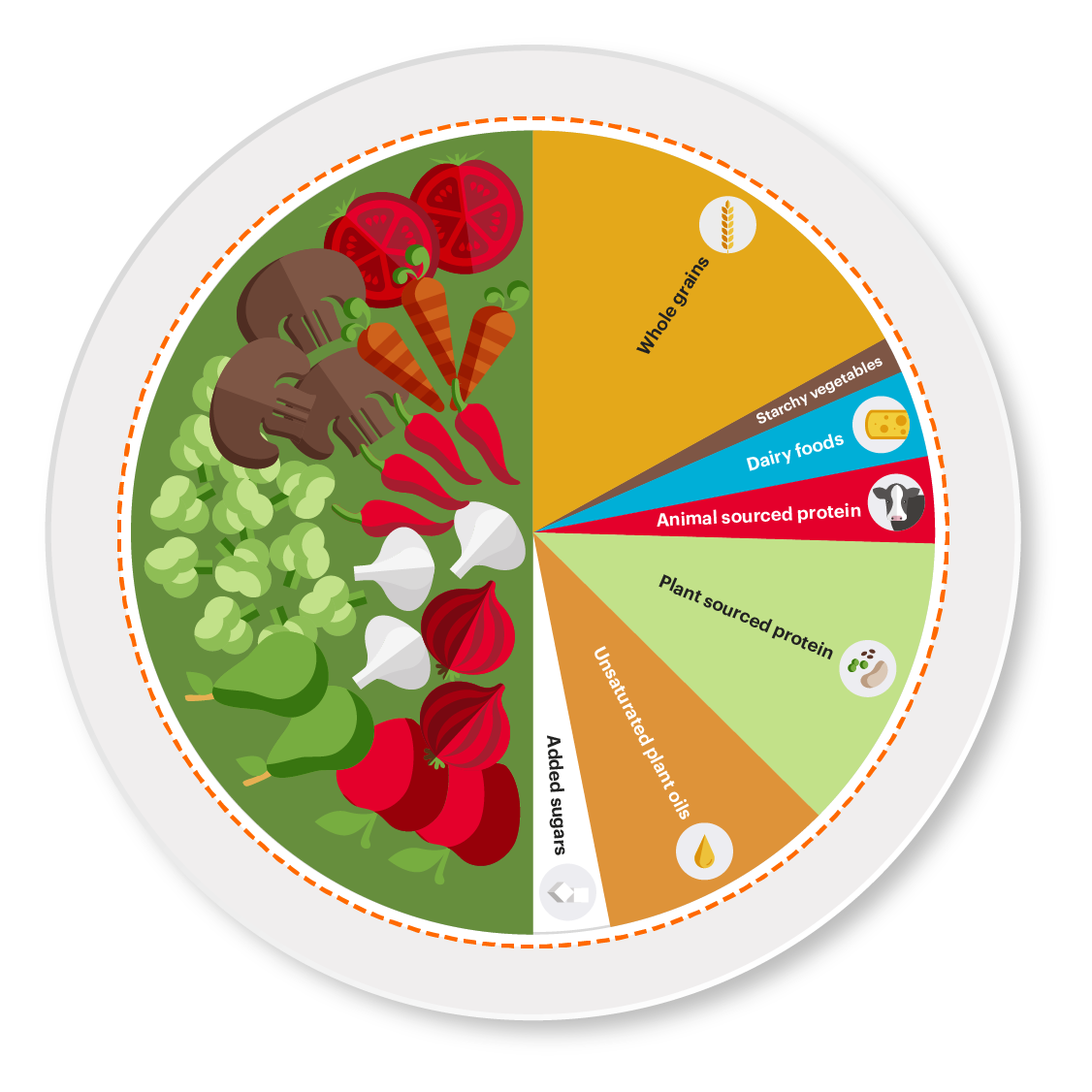
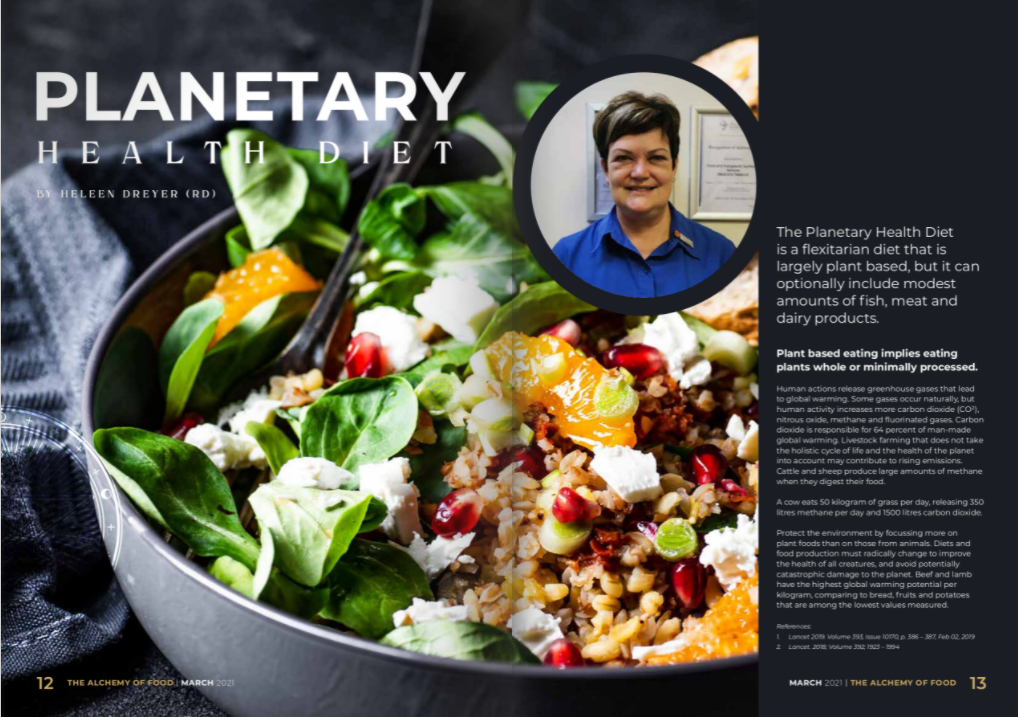
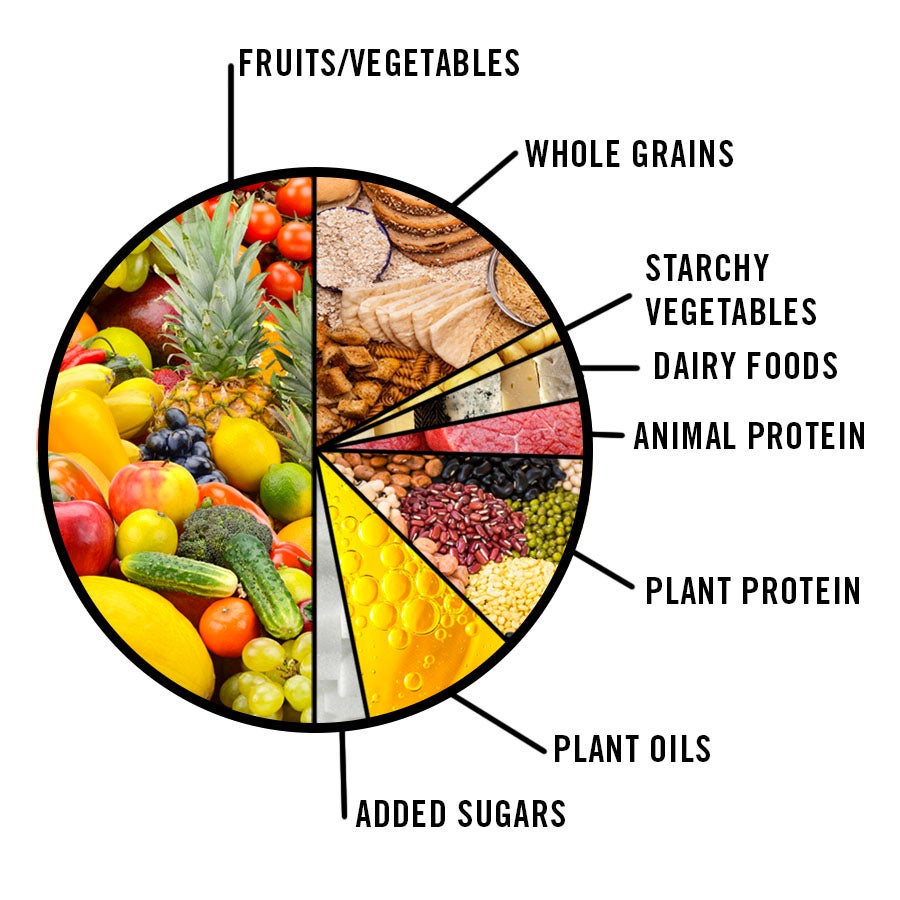
The Planetary Health Diet is a dietary guideline for a healthier planet. Developed by the EAT-Lancet Commission, a group of 37 scientists from around the world, the Planetary Health Diet aims to provide a healthy diet which is both sustainable and nutritious. By changing our diets and eating habits, it is possible to protect both human health and the environment. The Planetary Health Diet is both a global reference diet and a planetary health diet that provides the right balance of nutrients and energy to support a healthy lifestyle.
What are the Core Principles of the Planetary Health Diet?
The core principles of the Planetary Health Diet are based on the principles of sustainable development, which is the concept of meeting the needs of the present without compromising the ability of future generations to meet their own needs. The Planetary Health Diet is designed to minimize environmental impacts while providing a healthy, nutritious diet for all. The core principles of the diet include:
- Reducing the consumption of animal products such as red meat, poultry, and dairy.
- Eating plant-based foods such as fruits, vegetables, nuts, legumes, and whole grains.
- Limiting processed and refined foods such as sugar and oils.
- Ensuring an adequate supply of essential nutrients such as vitamins, minerals, and proteins.
- Reducing food waste.
- Reducing the environmental impacts of food production, such as land and water use, greenhouse gas emissions, and chemical runoff.
What are the Benefits of the Planetary Health Diet?
The benefits of the Planetary Health Diet are numerous. By reducing the consumption of animal products, we can reduce the environmental impacts of food production and consumption. This includes reducing greenhouse gas emissions, decreasing land and water use, and reducing chemical runoff into our waterways. Additionally, the diet is designed to provide essential nutrients to individuals, while limiting the consumption of processed and refined foods. This diet can help reduce the risk of chronic diseases, such as heart disease and diabetes, and can also help individuals achieve and maintain a healthy weight.
How Can We Implement the Planetary Health Diet?
Implementing the Planetary Health Diet can be achieved in a variety of ways. Individuals can start by reducing their consumption of animal products and replacing them with plant-based foods. Additionally, individuals can reduce their consumption of processed and refined foods, such as sugar and oils, and focus on eating whole, unprocessed foods. Food waste can also be reduced by buying only what is needed and using leftovers in creative ways. Finally, individuals can support sustainable food production by choosing foods that have been produced in a way that is environmentally friendly.
Conclusion
The Planetary Health Diet is an important step in creating a healthier planet. By reducing our consumption of animal products and shifting to a more plant-based diet, we can reduce the environmental impacts of food production and consumption, while still providing essential nutrients for a healthy lifestyle. Additionally, by reducing food waste and supporting sustainable food production, we can help ensure a healthy planet for future generations.
The Good Food Guide: Fit for you, fit for the Earth | Hindustan Times
The Planetary Health Diet - EAT
Planetary Health Diet - Tsebo Solutions | Integrated Workplace
EAT-Lancet Commission: Food, Planet, Health | SDG2 Advocacy Hub

Rezept-Blogparade: Die Planetary Health Diät

WHO Withdraws Support of Planetary Health Diet - WholeFoods Magazine

Planetary Health Diet: Die richtige Ernährung fürs Klima | MinimalWaste

The Planetary Health Diet | LARQ in 2020 | Fodmap recipes, Healthy

What Does the ‘Planetary Health Diet’ Mean for Me, an Average Guy Who
Study shows EAT-Lancet diet is unaffordable for at least 1.6 billion people