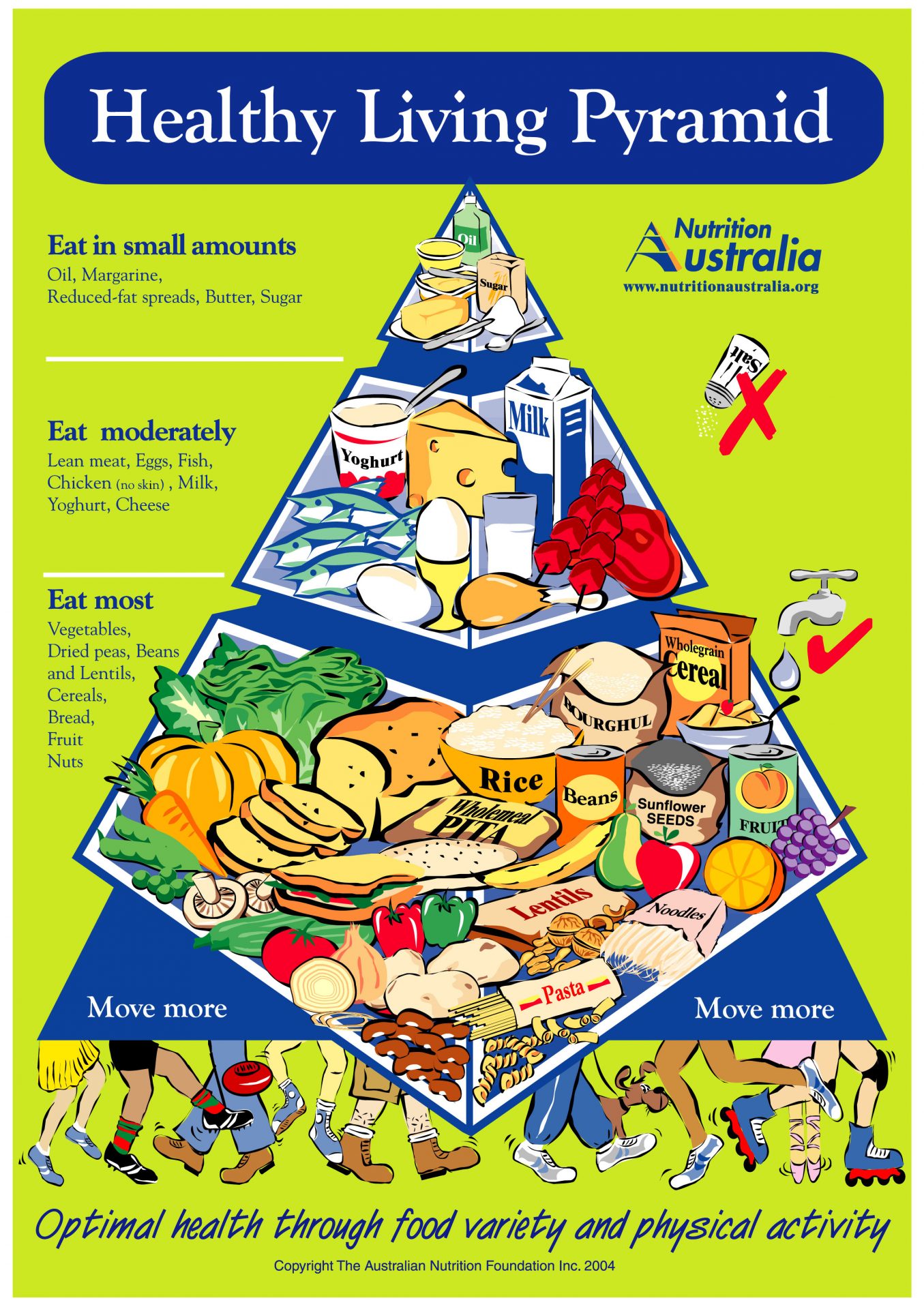
What Are The Dietary Guidelines For Australia

What Are The Dietary Guidelines For Australia?
What Are Dietary Guidelines?
Dietary guidelines are recommendations aimed at improving the quality of diets and overall lifestyle. They provide the framework for healthy eating, and are designed to help prevent diseases and other health problems. The dietary guidelines for Australia are based on the recommendations of the National Health and Medical Research Council (NHMRC). These guidelines provide advice on how to eat a balanced diet that meets the nutritional needs of individuals and families.
What Are The Key Principles Of The Guidelines?
The dietary guidelines for Australia are based on five key principles:
- Enjoy a wide variety of nutritious foods from the five food groups
- Limit intake of foods containing saturated fat, added salt, added sugars and alcohol
- Encourage and support breastfeeding
- Care for your food; prepare and store it safely
- Be physically active and choose amounts of nutritious food and drinks to meet your energy needs.
These principles are designed to help individuals and families make healthy and informed choices about their diets. They provide guidance on how to choose foods that provide the nutrients and energy needed for a healthy lifestyle.
What Are The Five Food Groups?
The dietary guidelines for Australia recommend that individuals and families should enjoy a variety of nutritious foods from the five food groups. These include:
- Vegetables and legumes/beans
- Fruit
- Grain (cereal) foods, mostly wholegrain and/or high cereal fibre varieties
- Lean meats and poultry, fish, eggs, tofu, nuts and seeds, and legumes/beans
- Milk, yoghurt, cheese and/or their alternatives, mostly reduced fat.
Eating a variety of foods from these five food groups can help provide the nutrients and energy needed for a healthy lifestyle.
What Are The Dietary Guidelines For Australia?
The dietary guidelines for Australia are designed to help individuals and families make healthier food choices. The guidelines provide advice on how to choose a variety of nutritious foods from the five food groups, limit intake of foods containing saturated fat, added salt, added sugars and alcohol, and be physically active. They also recommend that individuals should care for their food; prepare and store it safely, and encourage and support breastfeeding.
What Are The Benefits Of Following The Dietary Guidelines For Australia?
Following the dietary guidelines for Australia can help individuals and families make healthier food choices. Eating a variety of foods from the five food groups can provide the nutrients and energy needed for a healthy lifestyle. Limiting intake of foods containing saturated fat, added salt, added sugars and alcohol can help reduce the risk of chronic diseases such as obesity, type 2 diabetes, heart disease, stroke and some types of cancer. Being physically active can also help maintain a healthy weight and reduce the risk of chronic diseases.
Conclusion
The dietary guidelines for Australia provide advice on how to choose a variety of nutritious foods from the five food groups, limit intake of foods containing saturated fat, added salt, added sugars and alcohol, and be physically active. Following the guidelines can help individuals and families make healthier food choices, and reduce the risk of chronic diseases such as obesity, type 2 diabetes, heart disease, stroke and some types of cancer.
Eat well: The power of celebrity nutrition | SBS Food
Nutrition Australia on Twitter: "The Australian Guide to Healthy Eating

Picture Perfect Nutrition in 5 Minutes: Food Plates to Use

Dietary Guidelines for Australian Adults 2003 - Catherine Saxelby's
2013 Archives - Down to Earth Mother

Pin on Good Food

'Average Serving Size' Is A Crock

Australian Government Department of Health on Twitter: "Enjoy a variety

Pin on Learning Tools

A brief history of the Pyramid | Nutrition Australia