Clean Water And Public Health

Clean Water and Public Health: Why it Matters
Clean water is essential to the health, safety and wellbeing of all people. Without access to clean water, communities can become unhealthy, unsafe and at risk of disease. That’s why it’s so important that we work together to ensure that everyone has access to clean water. But what does that mean for public health?
Clean water is vital for good public health. People need clean water to drink, to cook with, to bathe in, and to keep their homes and communities clean. Clean water helps prevent the spread of disease, which is often spread through contaminated water. Access to clean water also helps to reduce the risk of water-borne diseases, such as cholera, typhoid, and dysentery, which can easily spread in areas where clean water is not available.
Clean water is also important for good hygiene and sanitation. People need access to clean water in order to practice good hygiene, such as washing their hands and bathing. Poor hygiene can lead to the spread of diseases, such as diarrhea, which can have serious health consequences. In addition, access to clean water is essential for proper sanitation, which helps to prevent the spread of disease and helps to keep communities safe and healthy.
How Does Access to Clean Water Impact Public Health?
Access to clean water is essential for good public health. It helps to prevent the spread of disease and helps to keep people safe and healthy. In areas where access to clean water is limited, people are more likely to suffer from water-borne illnesses, such as cholera, typhoid and dysentery. In addition, access to clean water helps to improve hygiene and sanitation, which in turn helps to reduce the spread of disease. Access to clean water also helps to reduce poverty, as it enables people to grow food and access other basic services.
How Can We Ensure Access to Clean Water?
Ensuring access to clean water is essential for public health. Governments and international organizations can help to improve access to clean water by investing in infrastructure, such as water treatment plants and water pipelines, and by providing education and awareness about the importance of clean water. In addition, governments can help to ensure access to clean water by providing subsidies for water treatment and access to clean water for those living in areas where access is limited. Finally, governments can work with local communities to help them find ways to conserve and protect water resources.
Conclusion
Clean water is essential for good public health. Without access to clean water, communities are at risk of water-borne diseases, poor hygiene and sanitation, and poverty. It is essential that we work together to ensure access to clean water for everyone. Governments, international organizations, and local communities must work together to ensure access to clean water, and to protect and conserve water resources.
The Waterbearers Foundation delivers clean water, saving and changing
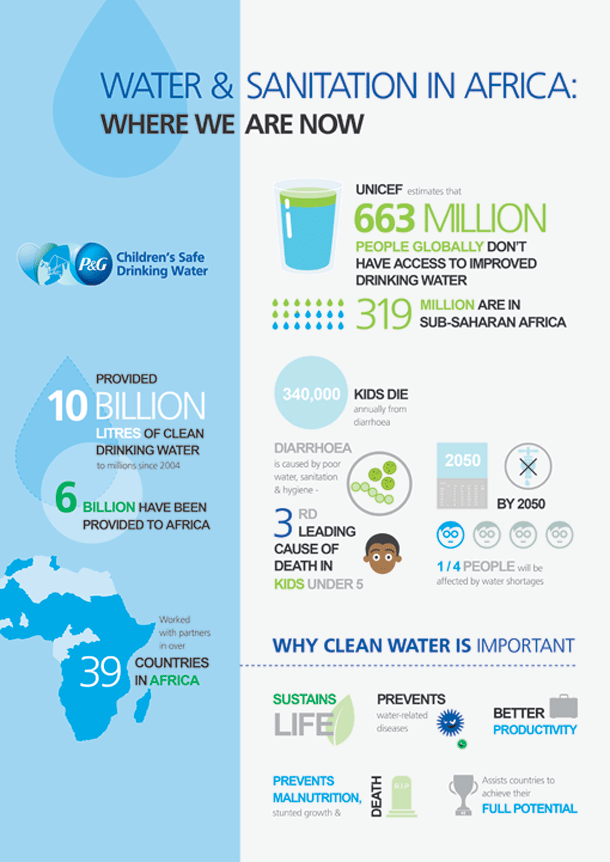
INFOGRAPHIC: Why clean water is a global emergency | Health24
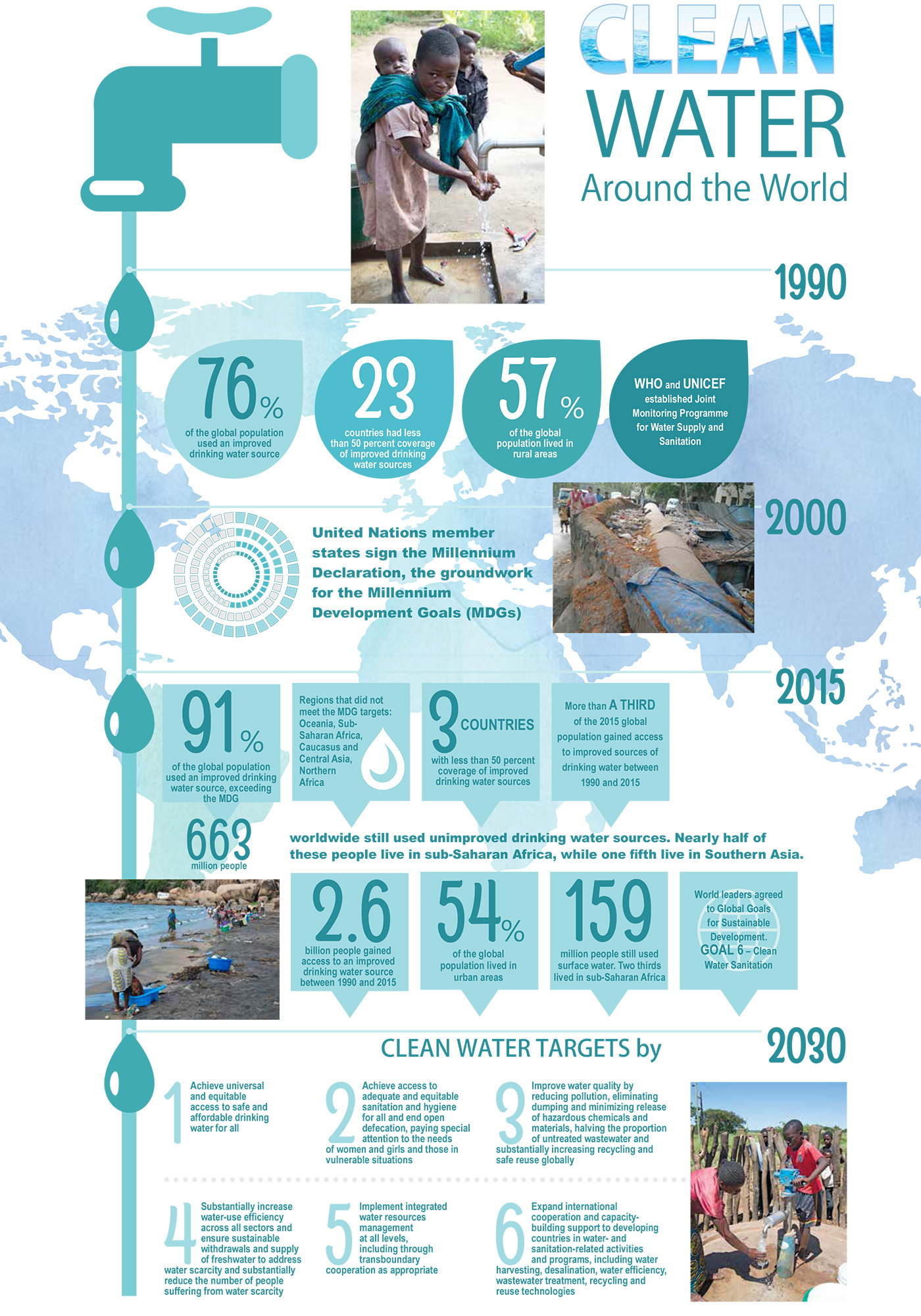
Clean Water Around the World | Pumps & Systems
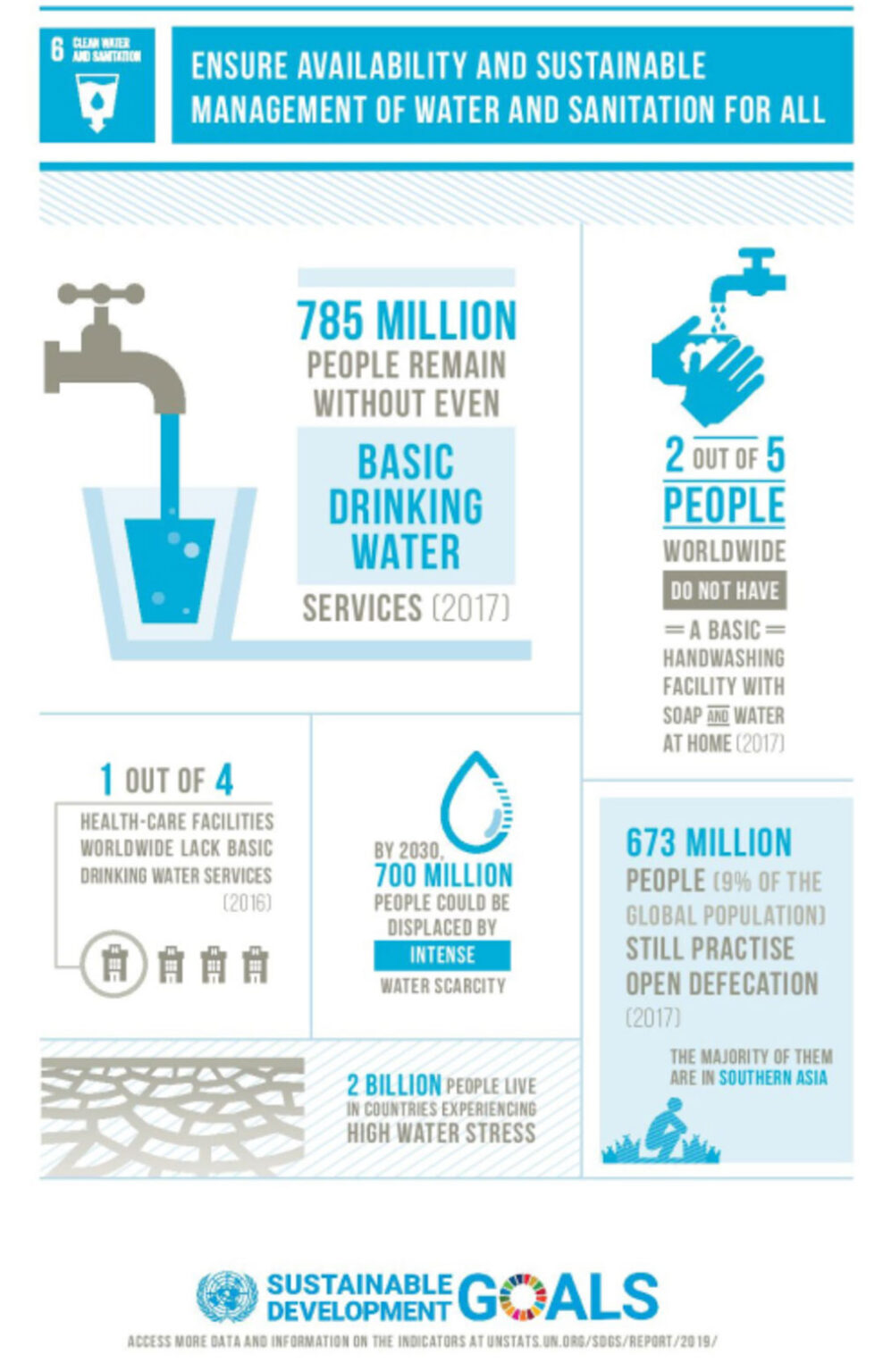
Taking Care of Your Drinking Water: A Guide for Members of Municipal

Clean Water and Sanitation | Change Makers Donegal. Equality. Irish Aid
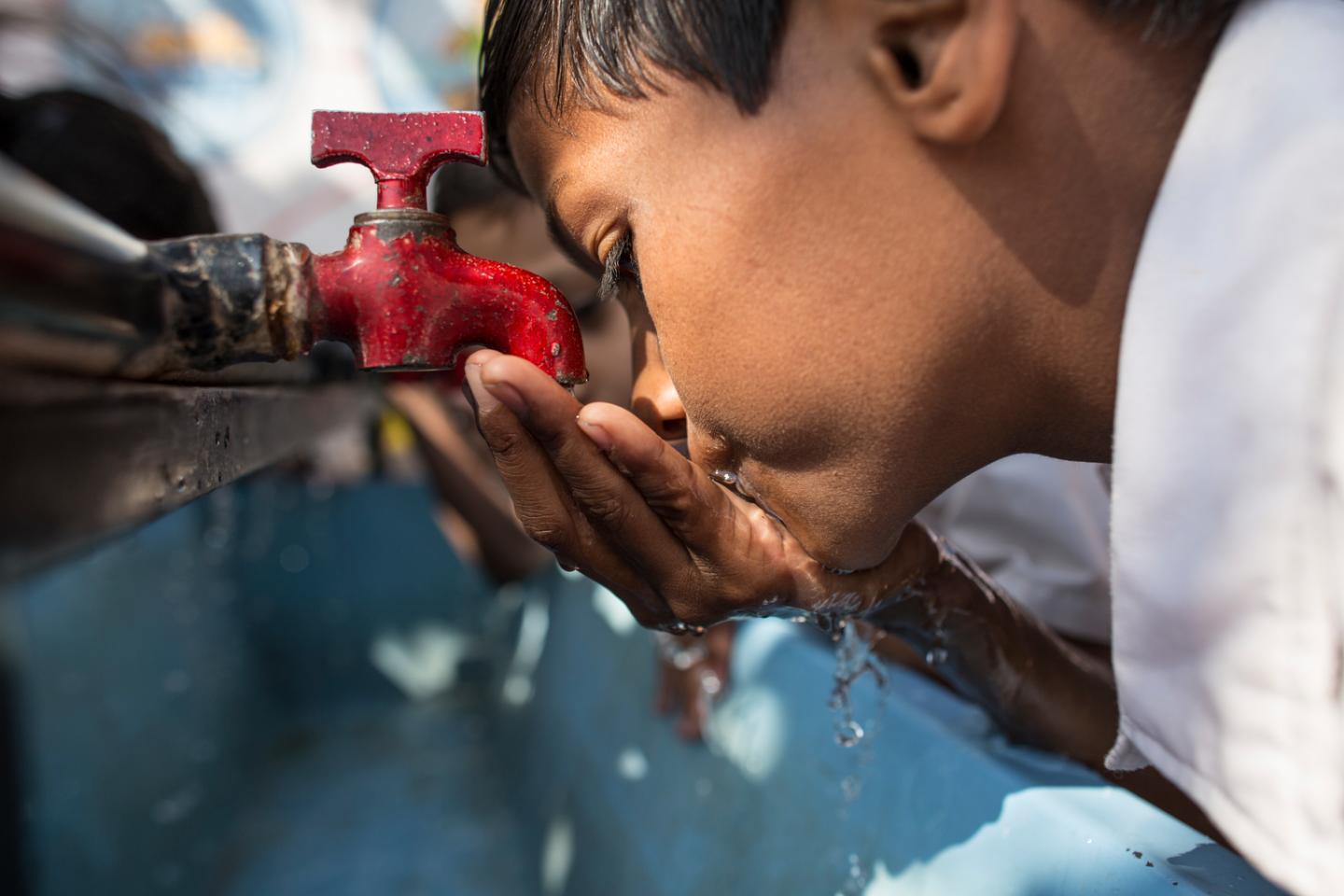
Clean drinking water | UNICEF India
Biosand Philippines and Surge Create "Clean Water for Life" - Surge
Water, Sanitation and Hygiene (WASH) – Good Neighbors Canada

Safeguarding Clean Water | Clean Water for All

CLEAN WATER & SANITATION - TEMBUSU ASIA CONSULTING
