Best Diet For Healthy Gut Microbiome

The Best Diet for a Healthy Gut Microbiome
The gut microbiome is an important topic of discussion in modern health and nutrition. It refers to the trillions of bacteria, fungi, and other microorganisms that live in our gastrointestinal tract. This complex ecosystem plays a vital role in our digestive health and overall wellbeing. Having a balanced, healthy gut microbiome can help to prevent and treat a number of conditions, from allergies to autoimmune diseases. But how do you achieve a healthy gut microbiome? The answer is simple: through nutrition and diet.
What is the Gut Microbiome?
Our gut microbiome is composed of trillions of microorganisms, including bacteria, fungi, viruses, and protozoa. These microorganisms exist in a delicate balance and work together to break down food, absorb nutrients, and protect us from disease-causing pathogens. A healthy microbiome is essential for proper digestion, metabolism, and immune system function. An unhealthy microbiome can lead to a number of digestive issues, such as bloating, constipation, and food sensitivities, as well as more serious conditions, such as inflammatory bowel disease and irritable bowel syndrome.
What is the Best Diet for a Healthy Gut Microbiome?
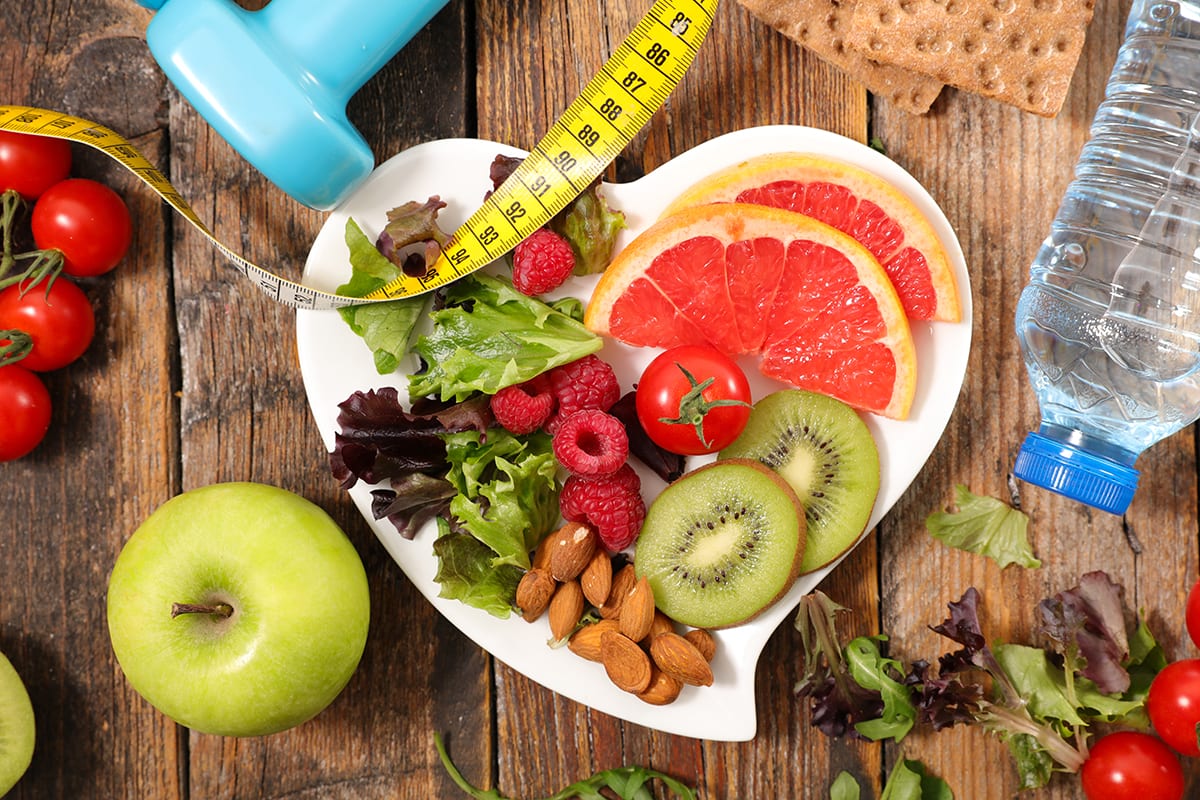
The best diet for a healthy gut microbiome is one that consists of a variety of whole, unprocessed foods. This includes plenty of fresh fruits and vegetables, nuts and seeds, whole grains, legumes, and healthy fats. It is also important to limit or avoid processed and sugary foods, as well as red and processed meats. Eating a variety of plant-based foods will provide your gut microbiome with the prebiotics it needs to thrive.
Fiber-Rich Foods
Fiber is an essential component of a healthy gut microbiome. It is a type of carbohydrate that cannot be broken down by our digestive system and is instead fermented by the bacteria in our gut. This fermentation process produces beneficial by-products, such as short-chain fatty acids, which help to nourish our intestinal cells and modulate our immune system. The best sources of dietary fiber are fruits and vegetables, whole grains, legumes, and nuts and seeds.
Fermented Foods
Fermented foods are another important part of a healthy gut microbiome. These foods are rich in probiotics, which are beneficial bacteria that help to colonize our gut. Examples of fermented foods include yogurt, kefir, sauerkraut, kimchi, kombucha, and miso. Eating fermented foods regularly can help to maintain a balanced microbiome and promote optimal digestion.
Healthy Fats
Including healthy fats in your diet is also important for gut health. Healthy fats, such as those found in avocados, nuts, and seeds, provide energy, support cell growth, and reduce inflammation. They also act as a fuel source for the beneficial bacteria in our gut, helping them to thrive. Eating a variety of healthy fats can help to maintain a healthy gut microbiome and promote better digestion.
Conclusion
A healthy gut microbiome is essential for proper digestion and overall wellbeing. The best way to achieve a healthy gut microbiome is by eating a balanced diet that includes plenty of fiber-rich, plant-based foods, fermented foods, and healthy fats. Eating a variety of these foods regularly can help to maintain a balanced, healthy gut microbiome and prevent a number of digestive and health issues.
Human Microbiome: How It Works and Diet for Gut Health - Dr. Axe
Microbiome Diet | Gut Health | Probiotics | High fiber fruits

What are the best gut health foods to heal your gut? Which foods should

Top 20 Prebiotic Foods For Gut Health - Irena Macri | Food Fit For Life

How to Improve Your Gut Microbiome in a Day | Christiane Northrup, M.D.
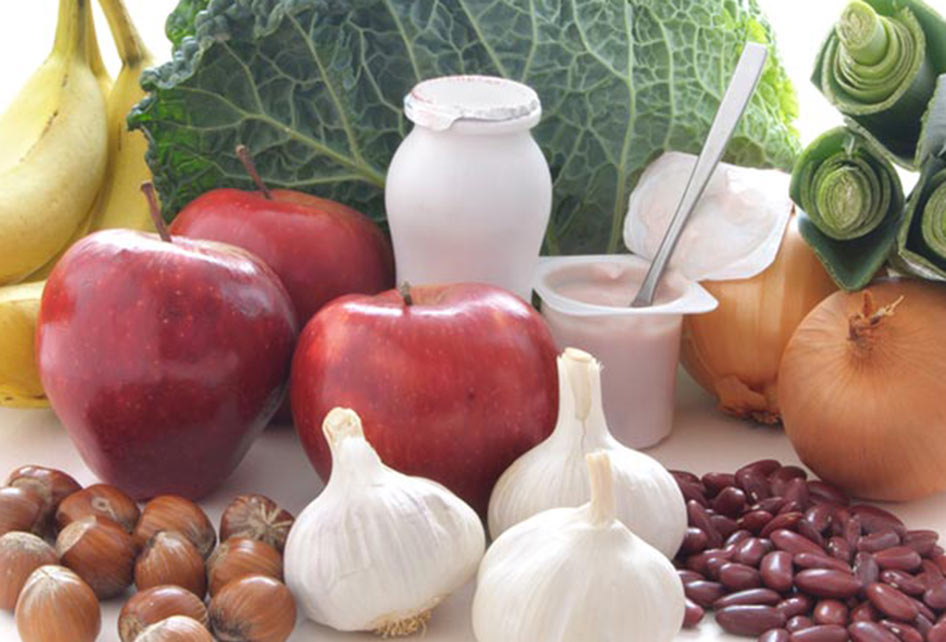
5 foods that can help improve your gut microbiome — A Balanced Belly

Boost Healthy Gut Bacteria With Plant Based Foods Pictures, Photos, and

A Week of Microbiome Diet Recipes | Microbiome diet recipes, Microbiome

Pin on Gut Health

Improving Your Microbiome Diet: What to Eat for a Healthy Gut