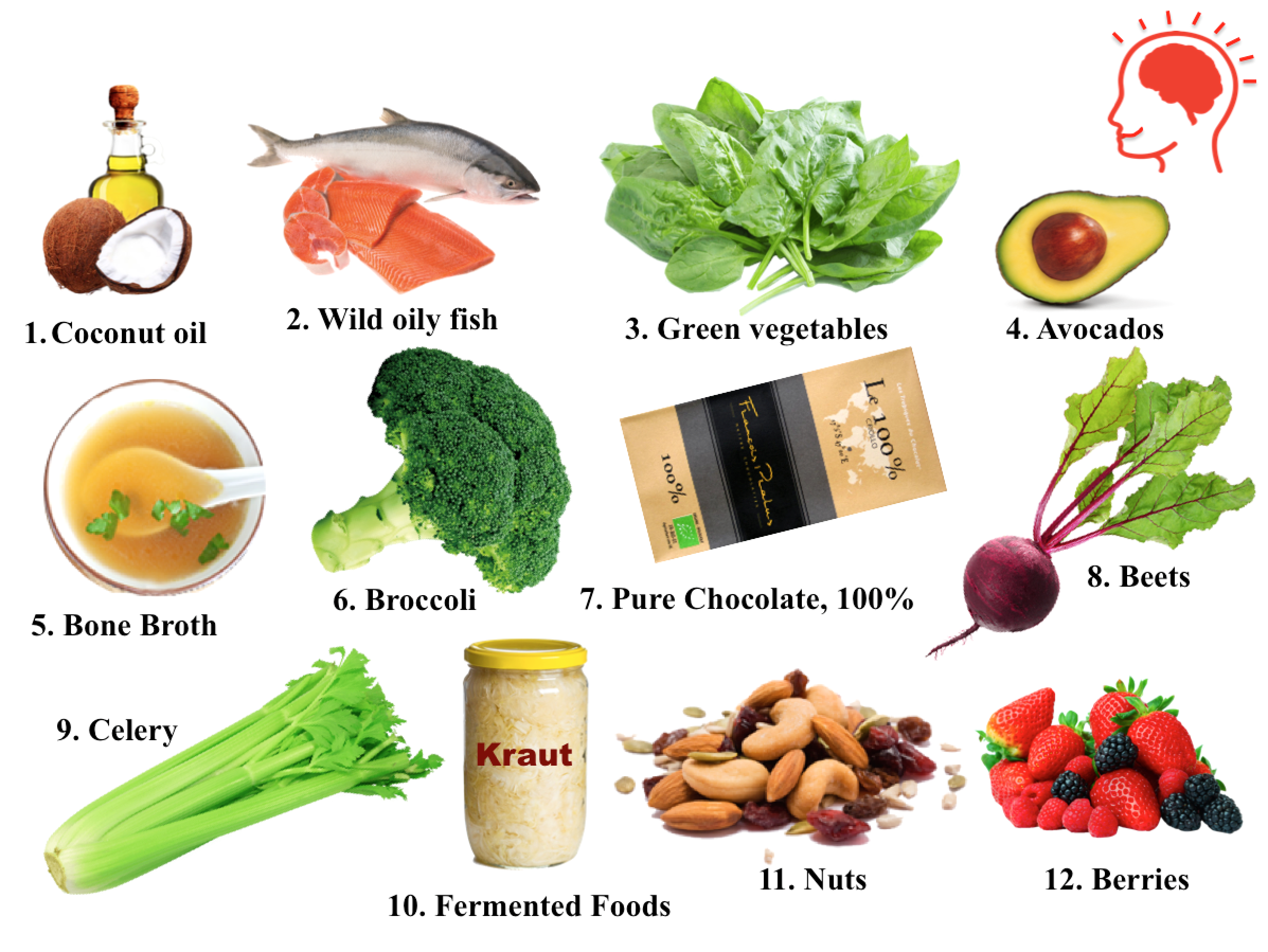
Brain Healthy Foods For Concussion

Brain Healthy Foods For Concussion
What is Concussion?
Concussion is a type of traumatic brain injury caused by a hard blow to the head or body that causes the head and brain to move rapidly back and forth. In most cases, the symptoms of a concussion occur within minutes or hours of the injury and may last for days, weeks, or even months. Concussions can be mild, moderate, or severe, depending on the severity of the injury.
What foods are good for concussion?
Eating a balanced diet that is rich in brain-healthy foods is important for anyone who has sustained a concussion. Foods rich in omega-3 fatty acids, such as salmon, trout, and mackerel, provide essential nutrients that promote brain health. Leafy green vegetables, such as spinach and kale, are also a great source of antioxidants, which can help reduce inflammation in the brain. Additionally, foods high in vitamin E, such as almonds, sunflower seeds, and avocado, have been shown to be beneficial for brain health as well.
What foods should I avoid if I have a concussion?
It is important to avoid sugary and processed foods, as these can cause inflammation in the brain and can be detrimental to recovery. Additionally, it is important to limit your intake of alcohol and caffeine, as these can also interfere with brain health. Caffeine can cause dehydration, which can worsen symptoms of concussion, and alcohol can cause further damage to the brain.
What supplements can I take to help with concussion recovery?
Although there is limited scientific evidence, certain supplements may help with concussion recovery. Omega-3 fatty acids and vitamin E supplements, in particular, have been shown to be beneficial for brain health. Additionally, some studies have shown that omega-3 fatty acid supplements may help reduce symptoms of concussion. Additionally, some studies have suggested that certain herbal supplements, such as ginkgo biloba and choline, may help with concussion recovery.
What other lifestyle changes can I make to help with concussion recovery?
In addition to eating a healthy diet and taking supplements, lifestyle changes can also be beneficial for concussion recovery. Getting plenty of rest and avoiding activities that involve physical contact or cognitive effort may help reduce symptoms of concussion. Additionally, it is important to avoid activities that may increase the risk of further injury, such as contact sports or activities that involve heights. Additionally, it is important to avoid activities that may increase the risk of further injury, such as contact sports or activities that involve heights. Additionally, it is important to practice relaxation techniques, such as deep breathing and meditation, to help reduce stress and anxiety.
Conclusion
Concussion is a type of traumatic brain injury that can have serious consequences. Eating a healthy diet that is rich in brain-healthy foods, such as omega-3 fatty acids and leafy green vegetables, is important for anyone who has sustained a concussion. Additionally, limiting your intake of alcohol and caffeine and avoiding activities that involve physical contact or cognitive effort may help reduce symptoms of concussion. Finally, taking certain supplements, such as omega-3 fatty acids and vitamin E, may help with concussion recovery. If you or someone you know has sustained a concussion, it is important to seek medical attention as soon as possible.
Concussion & Nutrition Series Part I - Welcome to PT2Go! | Mind diet
Brain Foods | Brain food, Brain healthy foods, Healing food

The Brain Injury Diet: Best Foods & Supplements For mTBI & Concussions

Foods That Help You Focus | Brain food, Brain healthy foods, Health food

Brain food, Brain healthy foods, Good brain food

Brain food | Brain function, Healthy brain, Brain food

Healthy Food Tips | Beauty Tips (Health/Beauty).: 13 Brain Foods

Food for Thought: 5 Brain Foods to Help Your Finals Studying | Her Campus

Food for thought: 10 superfoods that boost brain function
Top 12 Foods for Your Brain – Jane's Healthy Kitchen