Health Hazards Of Diet Coke
Sunday, August 17, 2025
Edit
Health Hazards Of Diet Coke
What is Diet Coke?
Diet Coke is a low-calorie, sugar-free variation of the soft drink Coca-Cola. It was first developed and marketed in 1982. Diet Coke is designed to taste similar to the original Coca-Cola, but without the sugar and calories. It has become one of the most popular diet soft drinks in the world, and its ingredients have raised health concerns in the years since its release.
Caffeine Content
Diet Coke contains caffeine, which can be a health hazard for some people. Caffeine is a stimulant that can cause increased alertness, improved task performance and improved physical performance. However, too much caffeine can cause nausea, insomnia, nervousness, headaches, heart palpitations and other side effects. Diet Coke contains 46 milligrams of caffeine per 12-ounce can, which is more than the 34 milligrams of caffeine found in the same size can of regular Coca-Cola. The recommended daily limit of caffeine for adults is 400 milligrams, so consuming just one can of Diet Coke is more than 10 percent of that limit.
Addictive Properties
The stimulant effects of caffeine can be habit-forming, causing people to become addicted to the substance. People addicted to caffeine may have difficulty functioning without it. According to the Mayo Clinic, caffeine consumption can cause symptoms of physical dependence and psychological dependence. Physical dependence is marked by withdrawal symptoms such as fatigue, headaches, anxiety, depression and irritability when abstaining from caffeine. Psychological dependence is marked by a feeling of being mentally or emotionally dependent on caffeine.
Sodium
Diet Coke contains sodium, an essential mineral. Sodium helps the body regulate blood pressure, keeps muscles working properly, and aids in nerve function. Too much sodium can cause water retention, which can lead to high blood pressure, stroke and heart failure. Diet Coke contains 45 milligrams of sodium per 12-ounce can, which is 2 percent of the recommended daily limit of 2,300 milligrams of sodium for healthy adults.
Nutritional Value
Diet Coke contains minimal nutritional value. It is calorie-free, but it does not contain any vitamins, minerals or protein. Diet Coke is composed of carbonated water, caramel color, phosphoric acid, aspartame, potassium benzoate, natural flavors, citric acid, and caffeine. Aspartame, which is used as a sugar substitute in diet soft drinks, has been linked to headaches, seizures, depression and other health conditions.
Dental Health
Diet Coke contains phosphoric acid, which can erode tooth enamel, leading to cavities and other dental problems. It can also cause discoloration of the teeth, making them yellow and stained. Diet Coke also contains citric acid, which can reduce the pH of saliva, making the mouth more acidic and increasing the risk of tooth decay. Therefore, drinking Diet Coke can be detrimental to dental health.
In conclusion, Diet Coke can have serious health hazards if consumed in excess. The caffeine content and addictive properties can lead to physical and psychological dependence, while the sodium content can lead to high blood pressure and water retention. Additionally, the lack of nutritional value and the presence of phosphoric and citric acids can lead to dental problems and tooth decay.
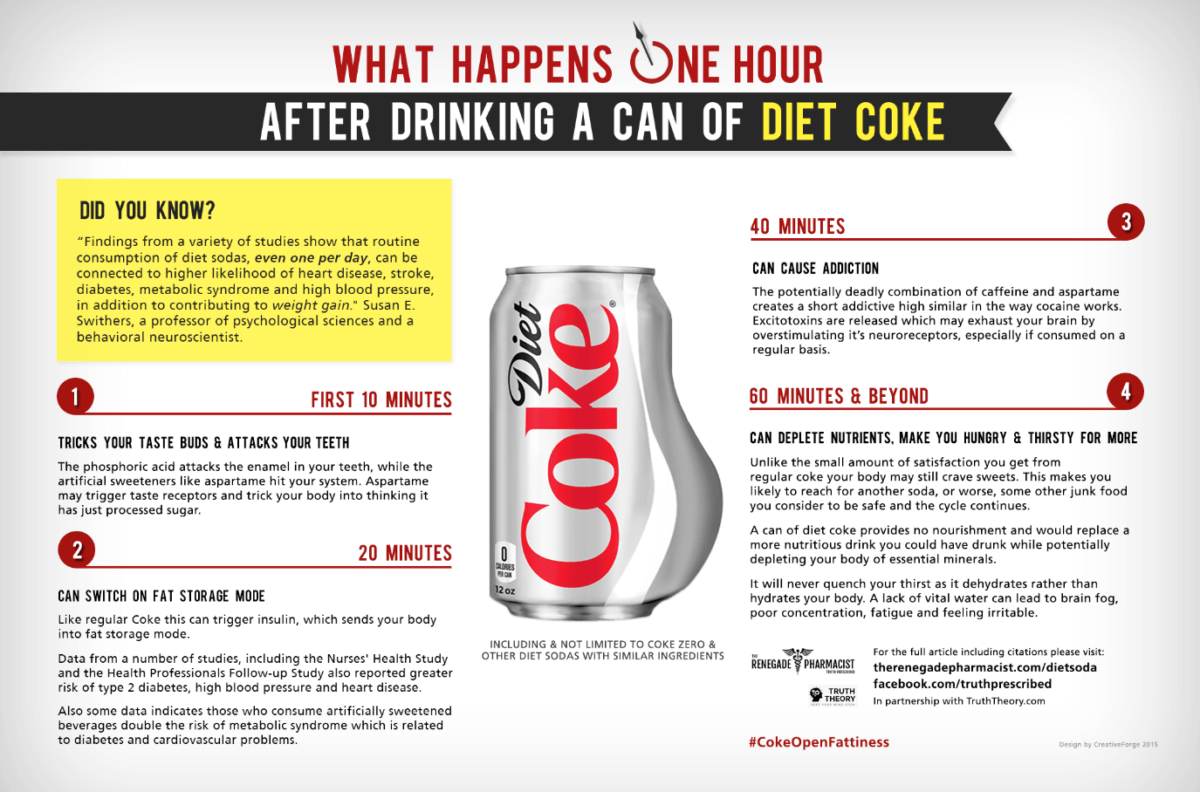
Infographic: Is Diet Coke bad for you? – Metro US
Diet coke health risks – Health
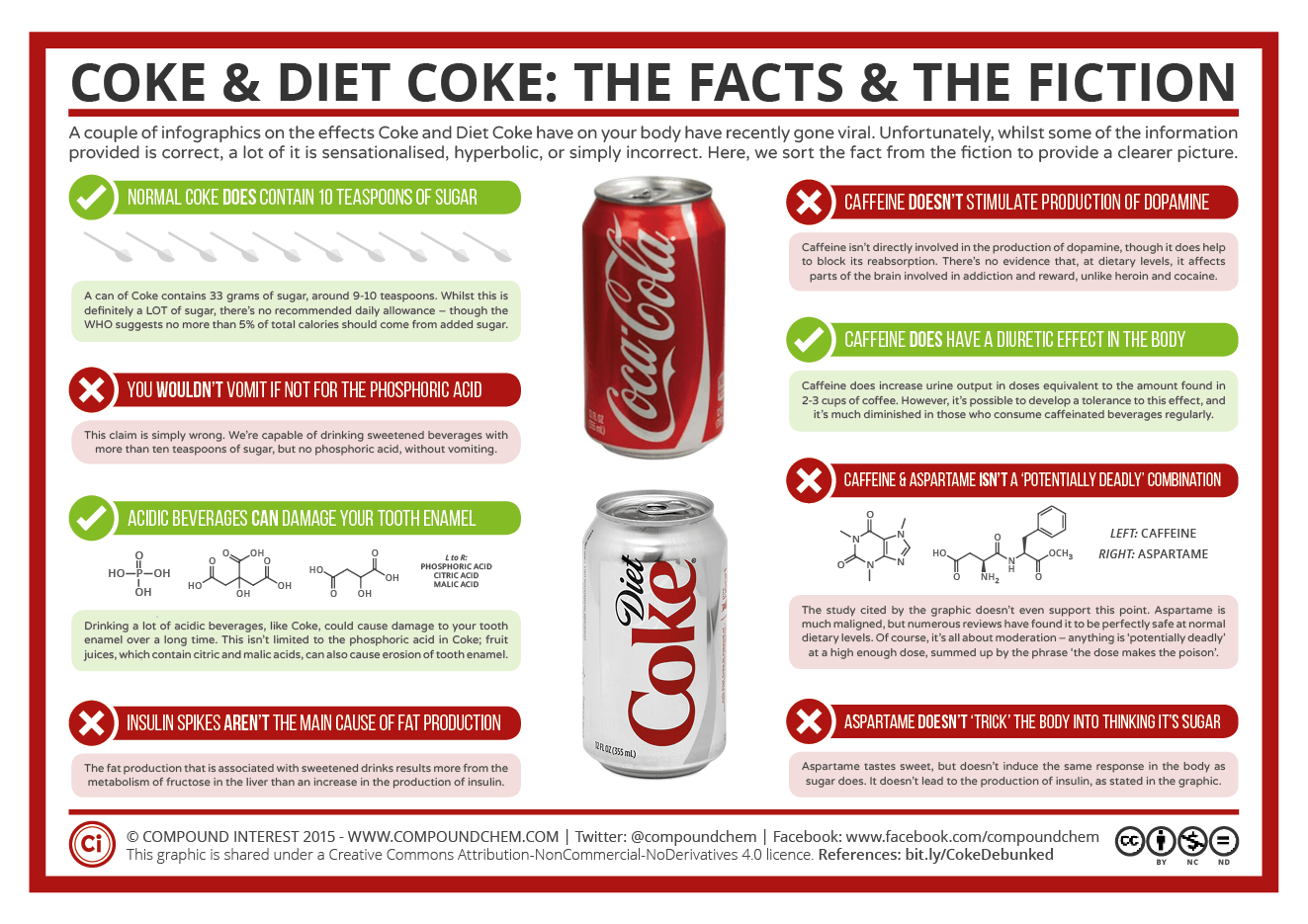
This is what happens to your body after drinking diet coke

The Hidden Dangers of Drinking Soda - Longevity Warehouse Blog

SEVEN Very Important Reasons to Ditch Diet Soda NOW! - Blog - News
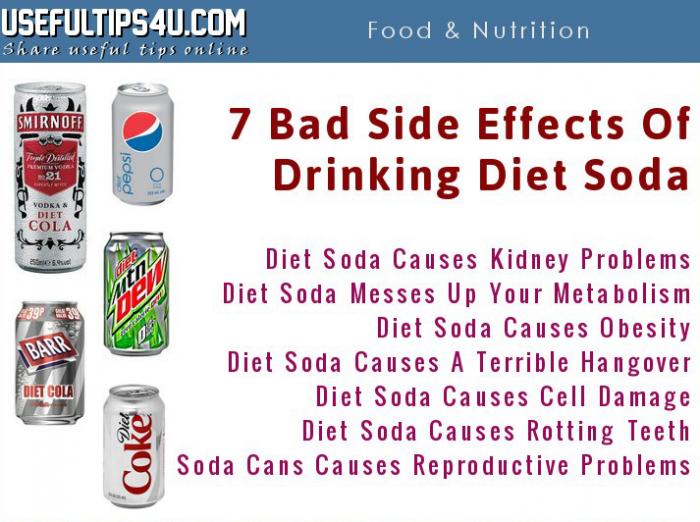
7 Health Risks Caused by Diet Soda Infographic - Diabetic Nation

8 Sodas and Their Drug Equivalents - Gallery | eBaum's World
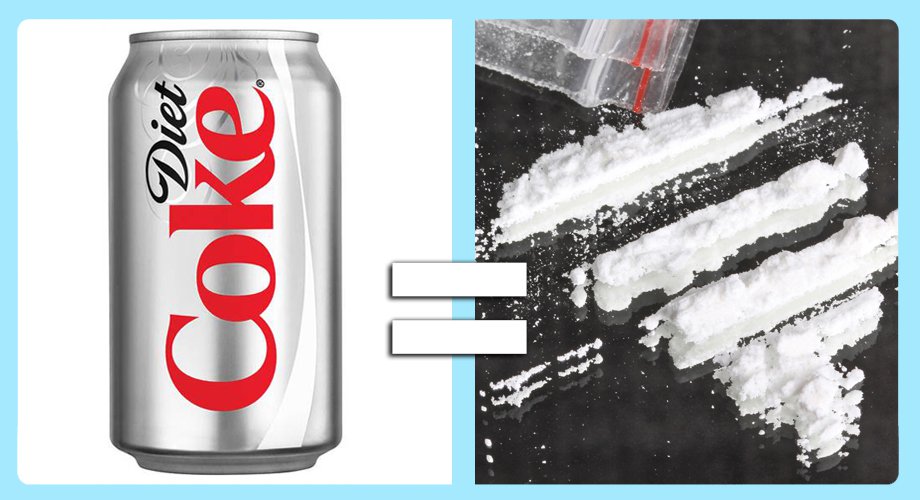
Diet Coke Bad For U - DIETAIS
Fizz Sticks are a healthier alternative! | Diet soda dangers, Diet soda

The Diet Pop (Soda) Issue – Something Beats Nothing Every Time
