What Fermented Foods Are Good For Gut Health

Fermented Foods & Gut Health
What are Fermented Foods?
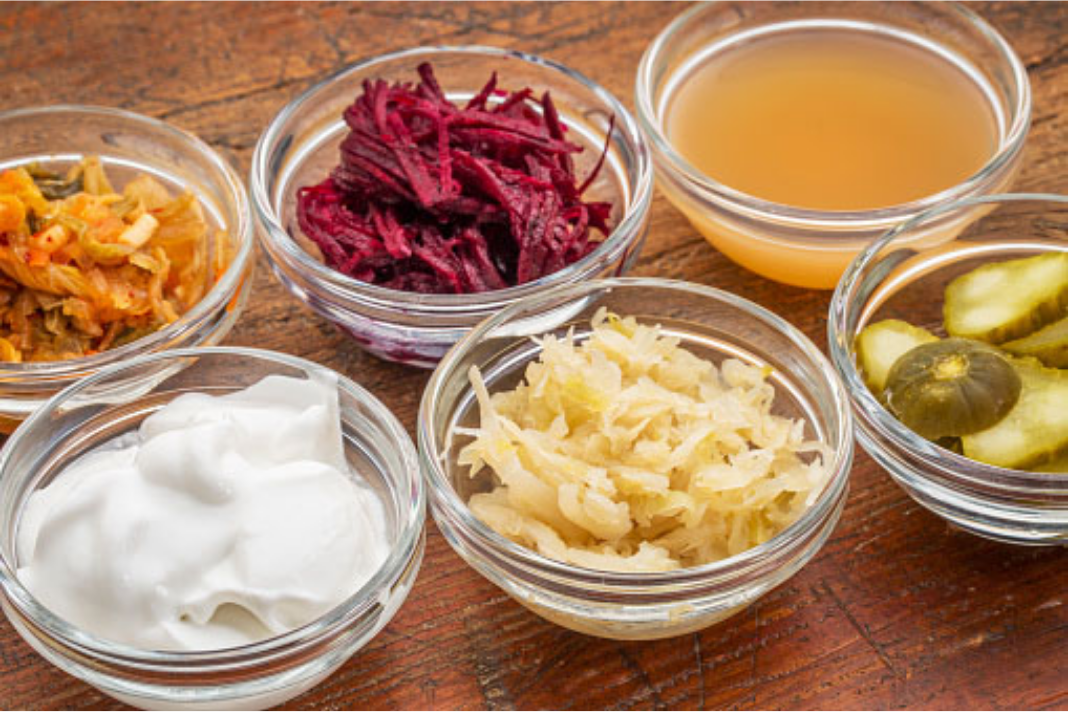
Fermented foods are foods that have gone through a process of pickling or fermenting, in which natural bacteria feed on the sugar and starch in the food creating lactic acid. This process breaks down the food and helps preserve it, while also creating beneficial enzymes, b-vitamins, Omega-3 fatty acids, and various strains of probiotics. Examples of fermented foods include sauerkraut, kefir, kimchi, miso, kombucha, pickles, and yogurt.
Benefits of Fermented Foods
Fermented foods are known to provide a wide range of health benefits, many of which are related to gut health. They contain probiotics which are beneficial bacteria that help promote a healthy balance of bacteria in the gut. This is important for digestion, as it can help break down food and absorb nutrients more efficiently. In addition, probiotics can help reduce inflammation, boost the immune system, and even improve mental health.
Fermented Foods and Gut Health
Fermented foods are a great source of probiotics, which can help promote a healthy gut. Research has shown that probiotics can help improve digestion, reduce inflammation, and even help with weight management. They can also help reduce the risk of certain diseases such as irritable bowel syndrome, Crohn’s disease, and ulcerative colitis. Additionally, probiotics can help restore the balance of good bacteria in the gut, which is important for overall health and well-being.
Types of Fermented Foods
There are many different types of fermented foods available to choose from. Some of the most popular fermented foods are yogurt, kefir, sauerkraut, kimchi, miso, kombucha, and pickles. Each of these foods has its own unique flavor and health benefits. For example, yogurt is a great source of calcium and protein, while kimchi is rich in vitamins A and C, as well as probiotics.
How to Include Fermented Foods in Your Diet
Including fermented foods in your diet is a great way to support gut health. The best way to do this is to include a variety of fermented foods in your meals. For example, you can add sauerkraut to salads or sandwiches, make a yogurt parfait for breakfast, or top your dinner with some kimchi. It’s also a good idea to look for recipes that use fermented foods, such as kombucha-marinated chicken or miso-glazed salmon. Finally, it’s important to start slowly, as some people may experience digestive discomfort when first starting to eat fermented foods.
Conclusion
Fermented foods are a great way to support gut health. They are a good source of probiotics, which can help improve digestion, reduce inflammation, and even help with weight management. In addition, they can provide a variety of unique flavors and textures. To get the most benefit, it’s important to include a variety of fermented foods in your diet and to start slowly if you’re not used to eating them. Doing so can help you reap the many health benefits that fermented foods have to offer.
8 Healthiest Fermented Foods for a Healthy Gut | 1mhealthtips.com
The Best Fermented Foods For Gut Health & To Boost Digestion
Here's Why Fermented Foods are Important for Gut Health - One Green Planet

The Five Fermented Foods You Need to Improve Your Gut | Institute for

5 Fermented Foods to Improve Your Gut Health

Fermented foods for better gut health - Harvard Health

Eat Fermented Foods For Good Gut Health - Isagenix Canada

Top 7 Fermented Foods for Gut Health | Illness to Ultra | Gut health

PROBIOTICS + FERMENTED FOODS EQUAL A HEALTHY GUT! - Delphine Remy

5 Delicious Must-Eat Fermented Foods for Gut Health - SPUD.ca
